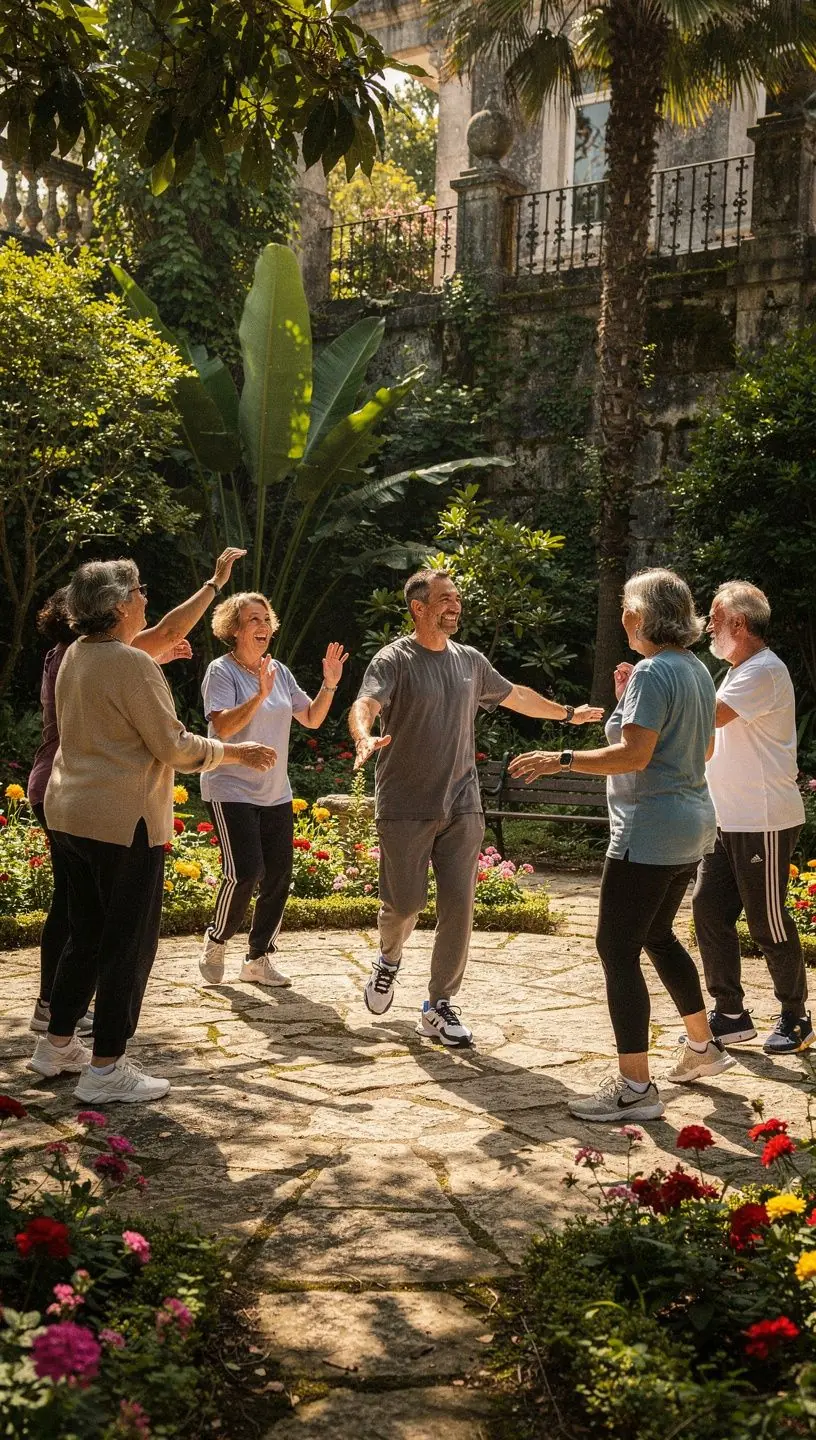
Understanding the Importance of Rhythm in Group Dynamics
Rhythm plays a crucial role in group dynamics, particularly within coaching academies that focus on social reintegration through dance events and structured sessions. Understanding how rhythm impacts these dynamics can enhance participation and improve outcomes.
Understanding the Basics
In the context of group activities, rhythm refers to the timing and flow of movements that can either unite or divide participants. According to research, groups that synchronize their movements through rhythm often exhibit improved communication and cohesion. Many experts in the field of group dynamics recommend incorporating rhythmic activities as a way to facilitate better engagement among participants.

"Effective group dynamics often hinge on the ability of individuals to align their movements, which can be achieved through rhythmic activities." - Group Dynamics Journal
Why Rhythm Matters
The principle behind this is that rhythm encourages participants to focus on a common goal, fostering a sense of belonging and collective purpose. Studies show that rhythmic engagement can increase feelings of togetherness and trust among group members. This effect is particularly significant in coaching academies aimed at social reintegration, where enhancing interpersonal relationships is essential.
Practical Application
- Incorporate rhythmic exercises into sessions: Activities such as clapping, drumming, or dancing can help participants connect more deeply, often improving their overall experience.
- Establish a routine: Regularly scheduled rhythm-based activities can help participants develop a sense of anticipation and reliability within the group, which typically takes a few sessions to develop.
- Observe and adapt: Facilitate discussions around how rhythm affects individual and group dynamics, allowing participants to express their experiences and feelings towards the activities.
Challenges and Considerations
While the benefits of rhythm in group settings are notable, it’s important to acknowledge limitations. Engaging with rhythm typically requires participants to be open to new experiences, which may involve a learning curve. Additionally, some individuals may feel uncomfortable or resistant to rhythmic activities, particularly if they have not engaged in dance or group movement before.
Conclusion
In conclusion, understanding the importance of rhythm in group dynamics can significantly enhance the effectiveness of coaching academies focused on social reintegration. By incorporating rhythmic activities into structured sessions, facilitators can create a more cohesive and supportive environment. As with all approaches, it’s crucial to set realistic expectations around the time and effort involved in fostering these dynamics.
Learn More