The Role of Dance in Social Reintegration
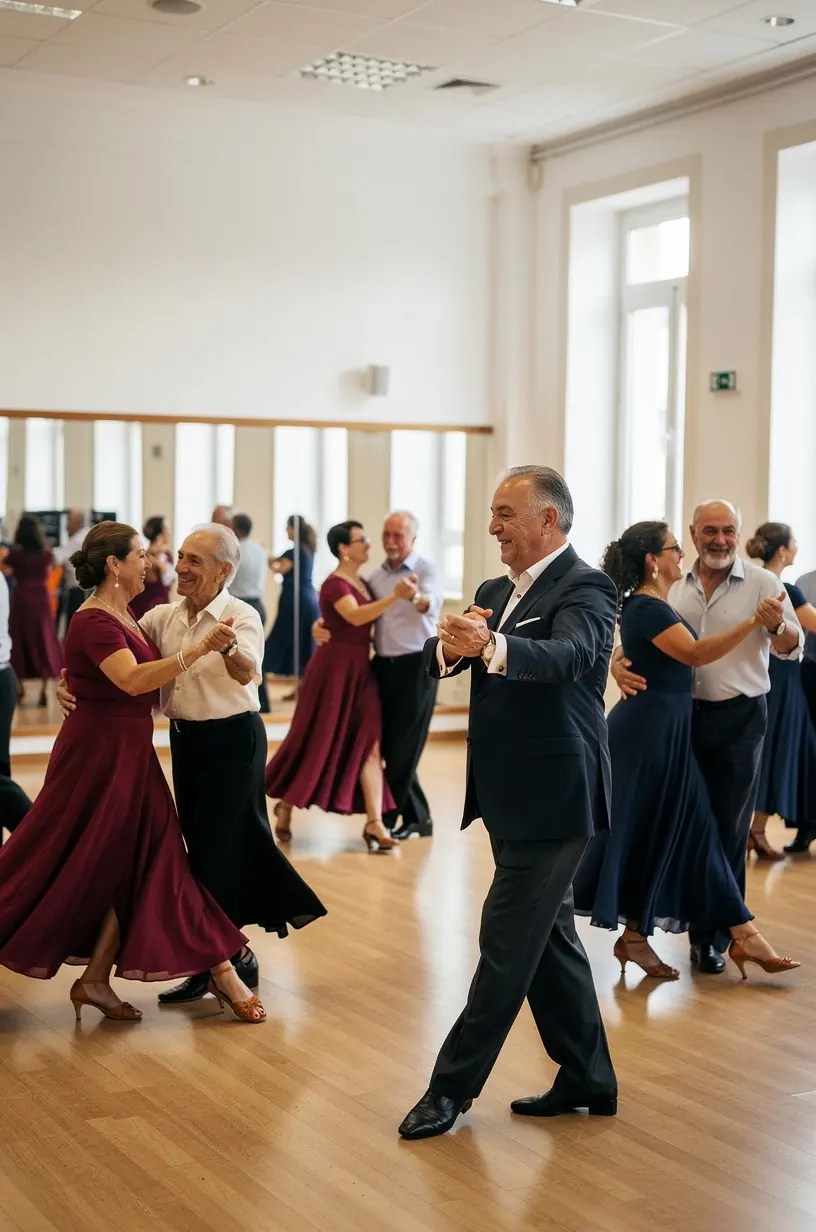
Dance is often considered a form of artistic expression, but it holds profound potential for social reintegration. Many coaching academies utilize dance events and structured group sessions to foster community, build confidence, and promote personal development.
Understanding the Basics
The importance of dance in social reintegration can be attributed to its ability to enhance communication skills and emotional expression. According to research, engaging in dance can significantly reduce feelings of isolation and improve interpersonal relationships by fostering a sense of belonging within a community. Experts recommend incorporating dance as a therapeutic tool in various rehabilitation programs.
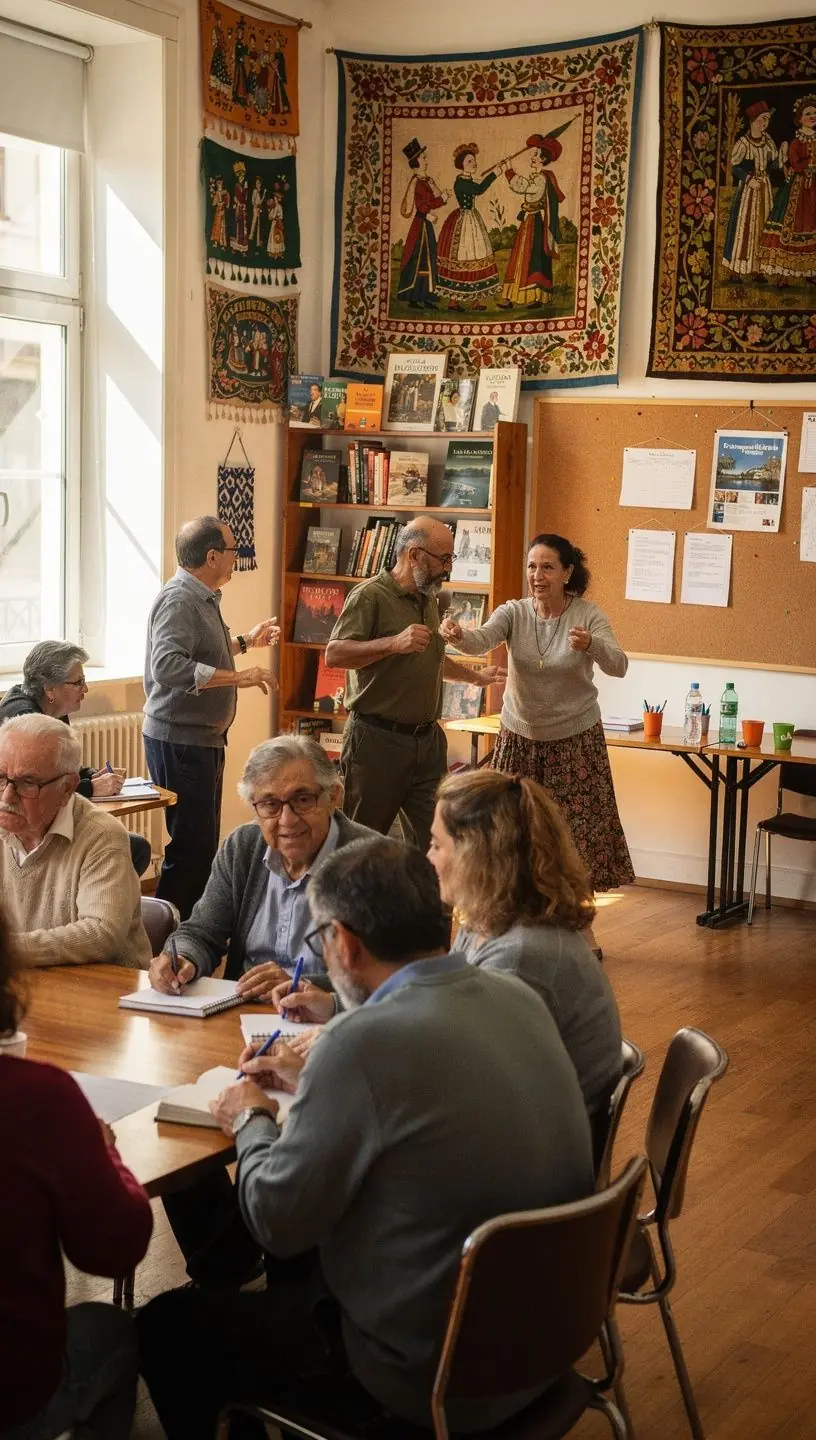
"Dance provides a unique platform for individuals to express themselves and connect with others, facilitating emotional healing and social bonding."
How Dance Facilitates Social Reintegration
There are several mechanisms through which dance contributes to social reintegration:
- Community Building: Dance events create a shared space where individuals can come together, promoting social interaction. This works best when participants feel safe and supported, often leading to long-lasting friendships.
- Skill Development: Learning dance routines can boost self-esteem and confidence, which are crucial for social reintegration. Many users report that they feel more empowered and self-assured after participating in dance programs.
- Emotional Expression: Dance allows individuals to convey their thoughts and feelings non-verbally, which can be particularly beneficial for those who struggle with traditional forms of communication. This form of expression may help in processing trauma and rebuilding emotional resilience.
Practical Application in Coaching Academies
Coaching academies focusing on social reintegration typically implement structured group sessions that include dance as a core activity. The process usually involves:
- Initial Assessment: Understanding the needs and backgrounds of participants to tailor the program effectively.
- Structured Learning: Gradual introduction to various dance styles that cater to the participants' interests and skill levels, typically taking place over several weeks.
- Community Engagement: Organizing events that encourage participants to showcase their skills, fostering a sense of achievement and community pride.
Challenges and Limitations
While dance can be an effective tool for social reintegration, it is essential to acknowledge its limitations. The process of reintegration through dance typically requires a commitment of time and effort; participants may need to attend regular sessions for several weeks to see meaningful results. In some cases, individuals may find it challenging to engage due to prior experiences with trauma or social anxiety. It is crucial for coaching academies to provide a supportive environment that addresses these concerns.
Conclusion
In summary, the role of dance in social reintegration is multi-faceted, offering opportunities for personal growth, community building, and emotional healing. By understanding the underlying principles and methodologies, participants can navigate their reintegration journey effectively. Ultimately, while dance is not a one-size-fits-all solution, it can be a powerful component in a comprehensive approach to social reintegration.