Practical Strategies for Engaging Older Adults in Dance
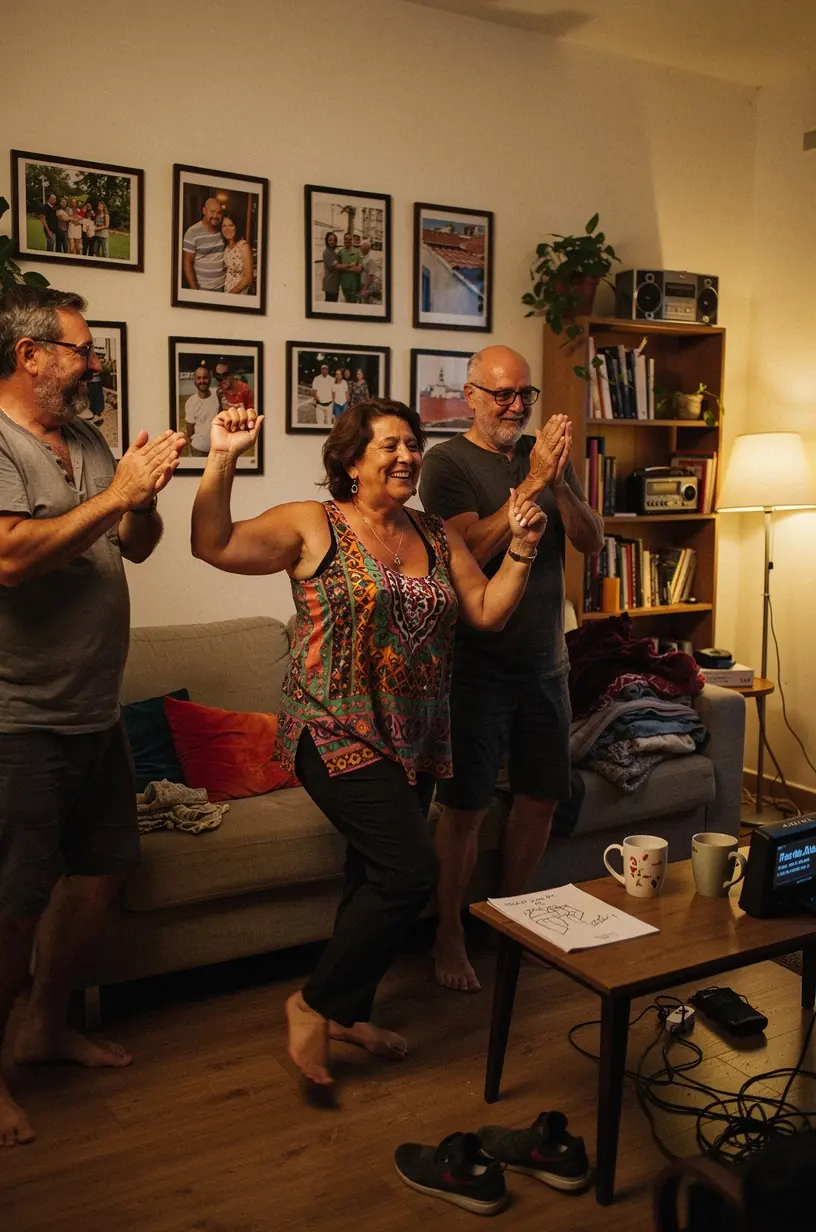
Engaging older adults in dance can be greatly beneficial for their physical and mental well-being. This article explores practical strategies that coaching academies can implement to encourage participation in dance events and structured group sessions.
Understanding the Benefits of Dance for Older Adults
Dance is more than just a form of entertainment; it can significantly enhance the quality of life for older adults. According to research published in the Journal of Aging and Physical Activity, dance can improve balance, flexibility, and cardiovascular health. Additionally, studies suggest that participating in dance can help reduce symptoms of depression and anxiety, promoting a sense of community and social interaction.
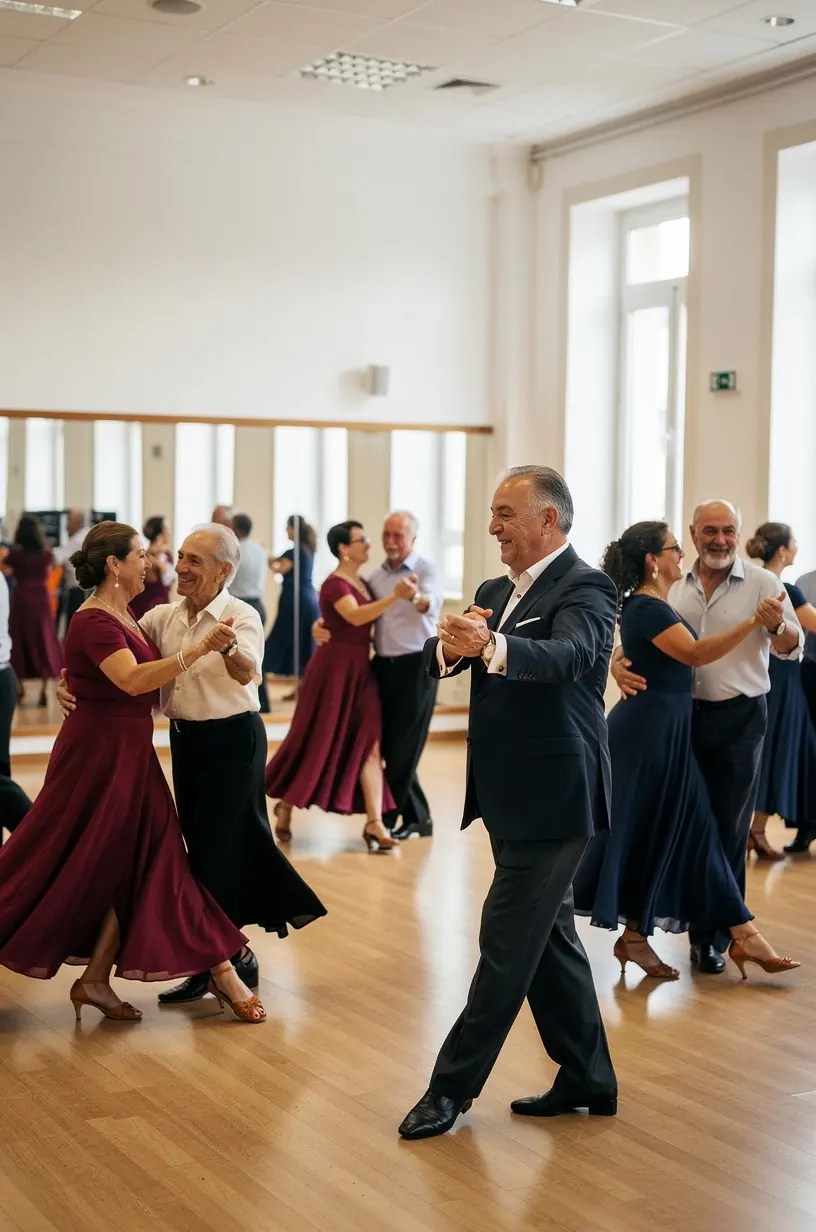
"Engaging in artistic activities like dance not only fosters physical health but also enhances cognitive functions among older adults." - Experts recommend incorporating dance into wellness programs.
Practical Strategies for Engagement
- Create Inclusive Dance Programs: Design programs that cater to various skill levels. Many users report that programs accommodating different abilities help foster a welcoming environment.
- Incorporate Familiar Music: Using music that older adults recognize and enjoy can enhance motivation and participation. It has been noted that familiar tunes can evoke positive memories, making the experience more enjoyable.
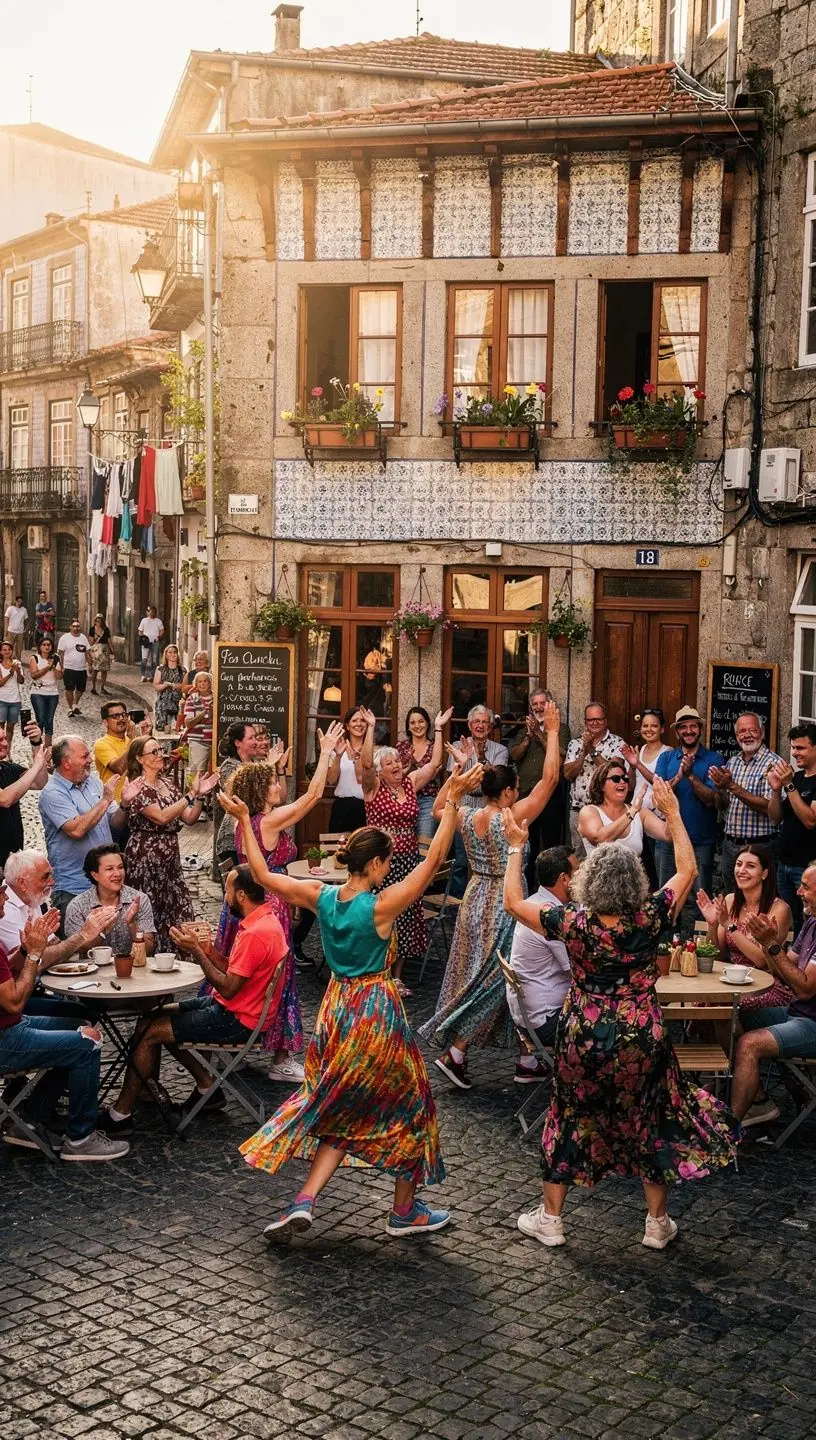
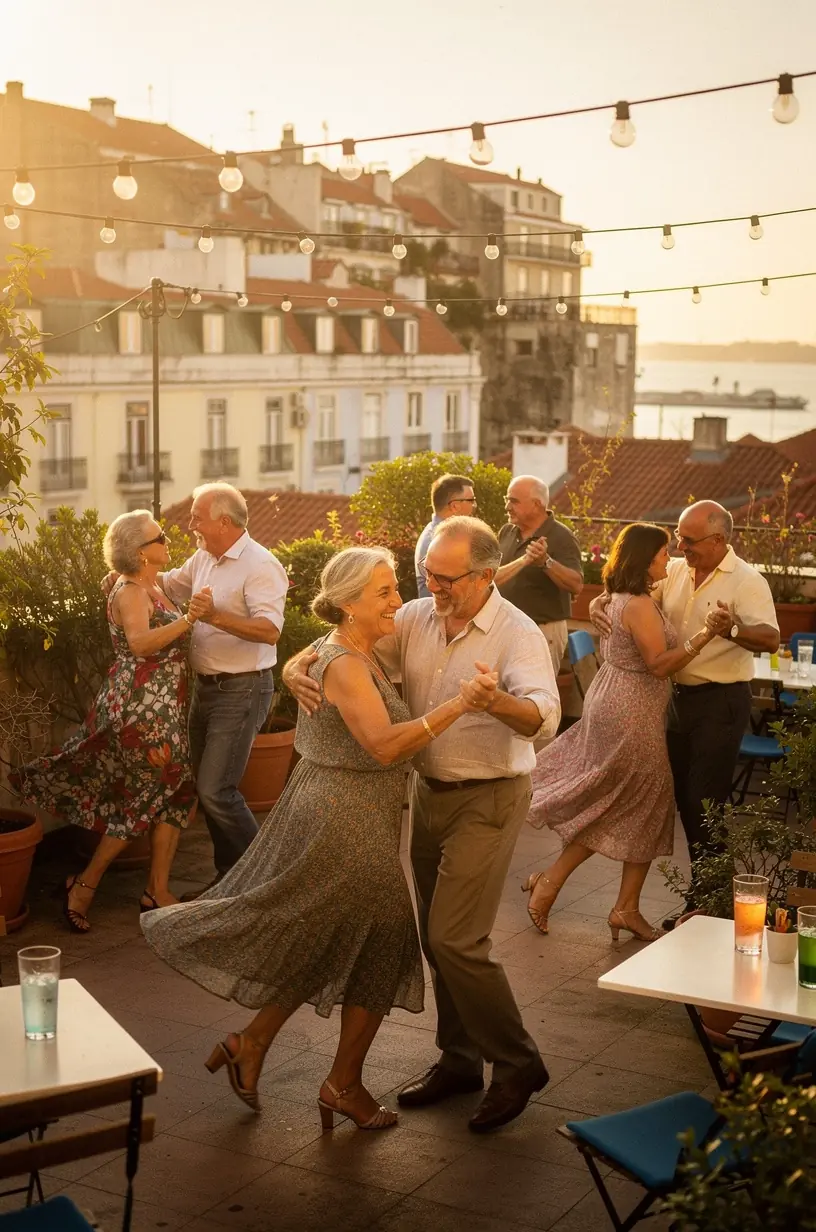
- Focus on Social Interaction: Promote the social aspect of dance. Research indicates that older adults often seek companionship. Structuring dance sessions as social events can enhance participation and create a supportive community.
Addressing Potential Barriers
While engaging older adults in dance can be rewarding, it is essential to acknowledge limitations and challenges:
- Physical Limitations: Some older adults may have mobility issues. Tailoring sessions to accommodate these needs is crucial. This may involve offering seated dance options or lower-impact styles.
- Time Commitment: Consistency is key. Many participants may require time to adjust to new activities. Encourage a gradual involvement, typically suggesting a dedication of 2-4 weeks to build comfort and routine.
- Overcoming Hesitation: Many older adults may feel intimidated by dance. Creating a non-judgmental environment and emphasizing enjoyment over performance can encourage participation.
Conclusion
Engaging older adults in dance can provide numerous benefits, from improved physical health to enhanced social connections. By implementing inclusive programs, utilizing familiar music, and fostering social interactions, coaching academies can create an inviting atmosphere for older participants. While there may be challenges, understanding and addressing these barriers can lead to successful engagement. Ultimately, the goal is to promote a joyful and supportive environment where older adults can thrive through dance.
Learn More