Creating Inclusive Dance Events for All Levels
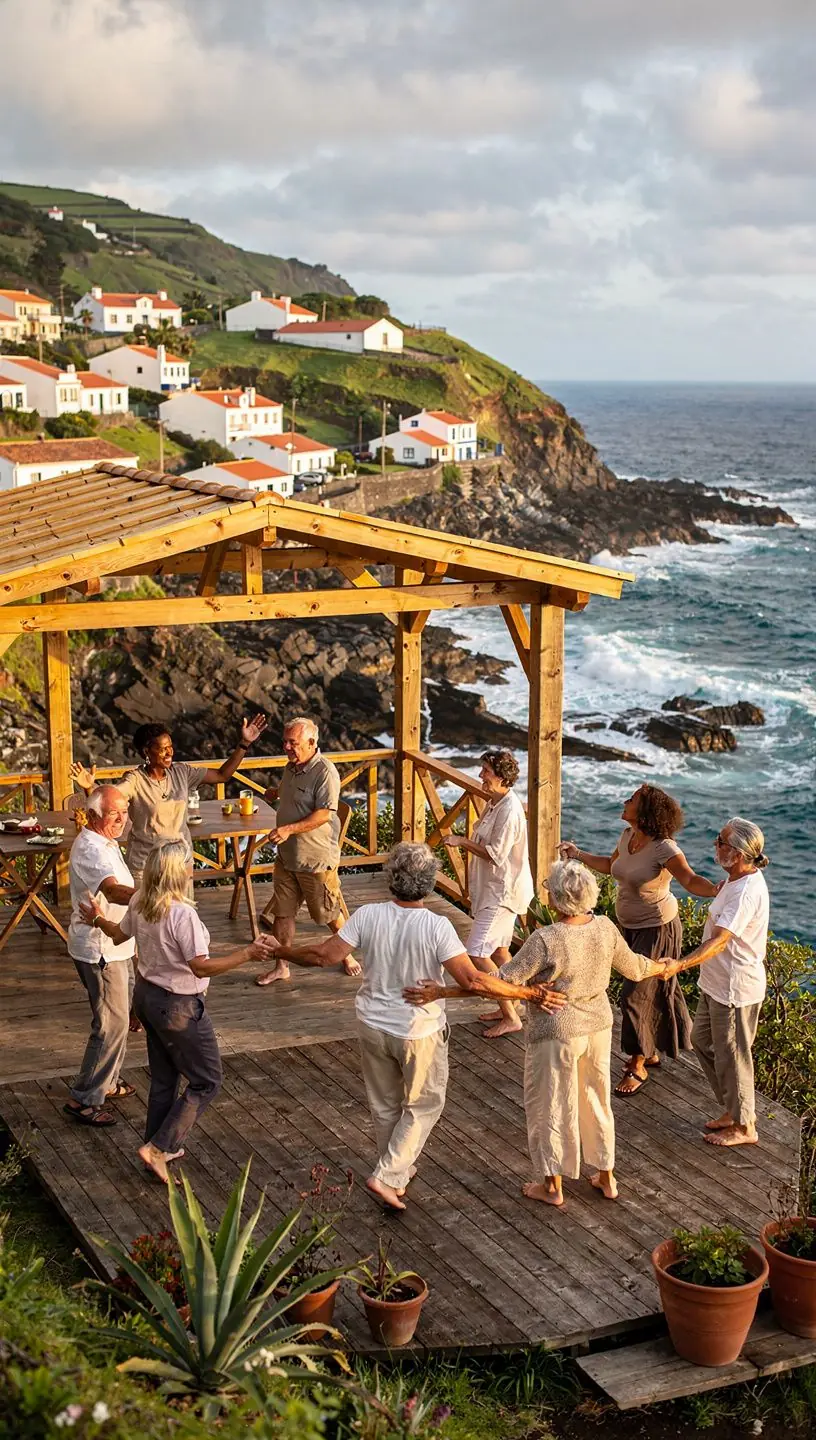
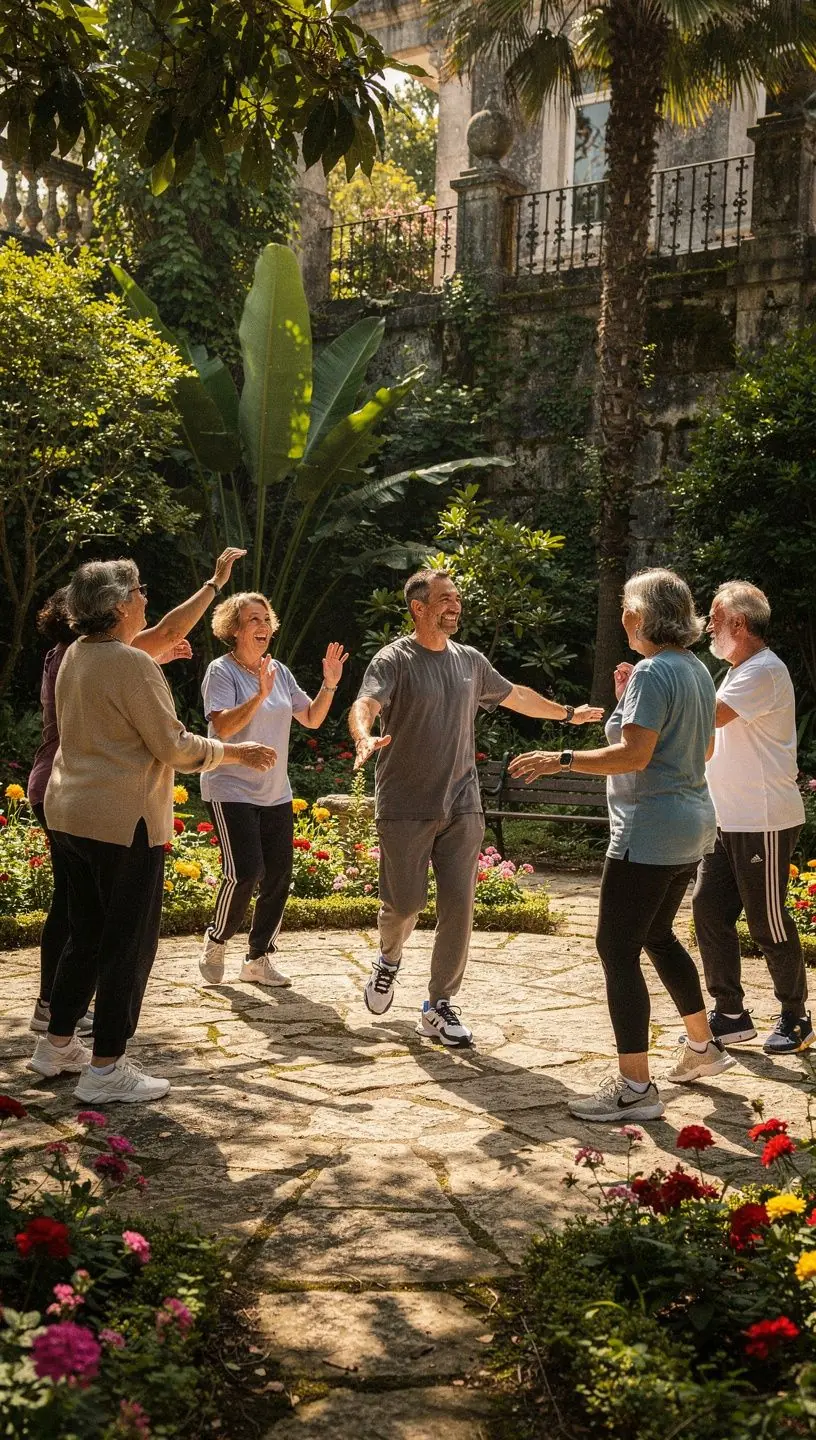
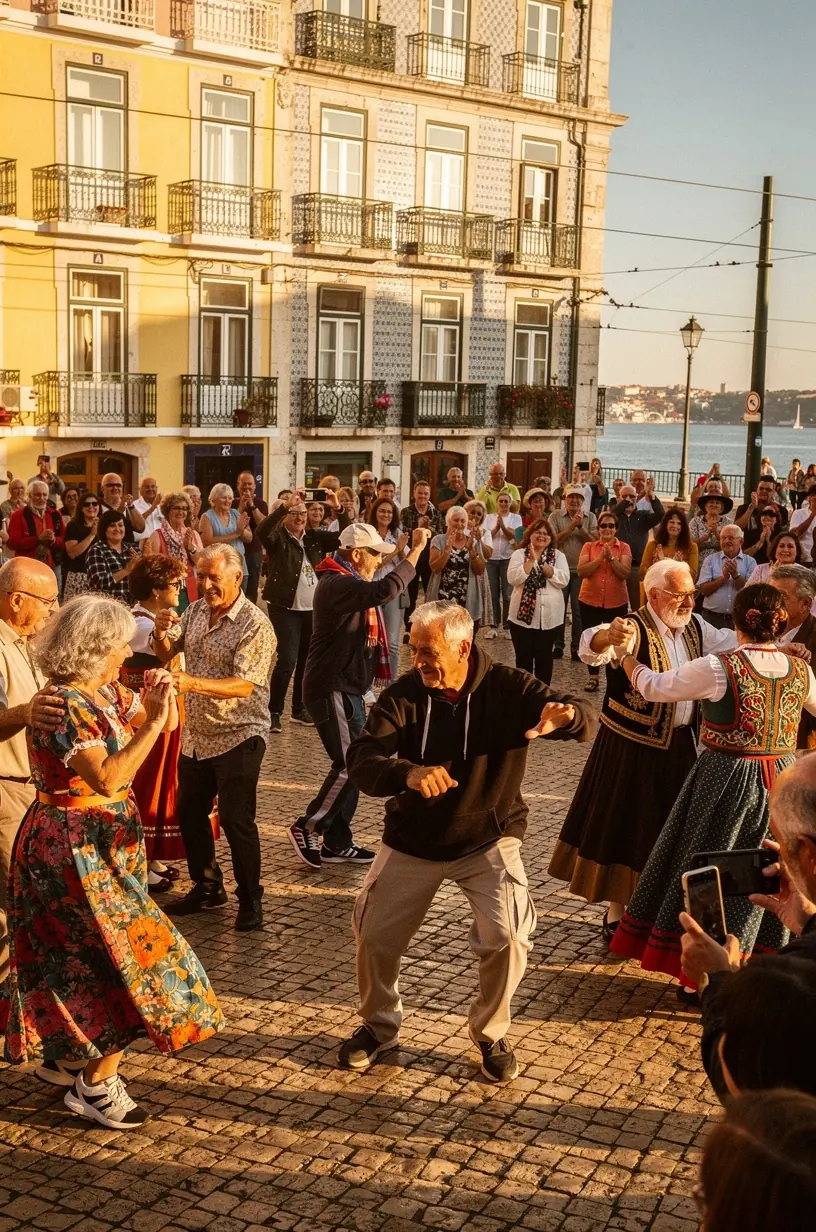
Dance has the unique ability to bring people together, transcending barriers and fostering community. This article explores how to create inclusive dance events that cater to all skill levels, enhancing social reintegration while ensuring everyone feels welcome and valued.
Understanding the Importance of Inclusivity
Creating dance events that are accessible to individuals of all levels is crucial for promoting inclusivity and social reintegration. According to industry experts, inclusive events encourage participation from diverse groups, which can enhance the sense of community and support among attendees.
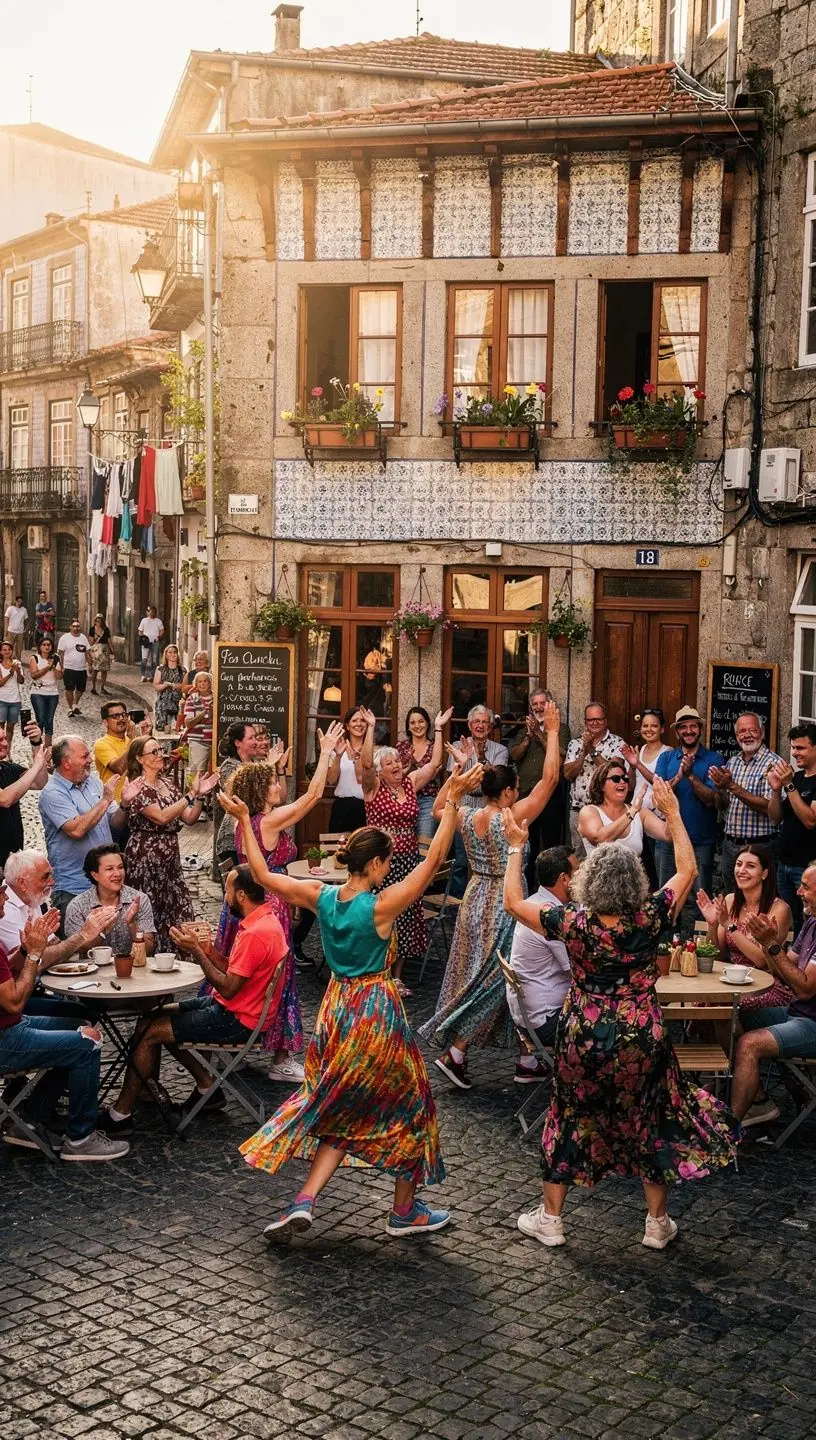
Many users report feeling more engaged and confident when they participate in activities that are tailored to their skill levels. This approach not only fosters self-expression but also encourages personal growth through dance.
"Inclusive environments allow participants to explore their abilities without the fear of judgment, leading to improved mental and emotional well-being."
Key Principles for Organizing Inclusive Dance Events
When planning an inclusive dance event, consider the following principles:
- Assess Skill Levels: Before the event, gather information about the participants' skill levels. This can be achieved through registration forms or pre-event surveys. Understanding the range of abilities helps in structuring the event effectively.
- Offer Diverse Styles: Incorporate various dance styles to cater to different preferences. This not only attracts a broader audience but also allows participants to explore new forms of expression. Research indicates that offering multiple styles can increase participation rates by up to 30%.
- Provide Clear Instructions: Ensure that all instructions are communicated clearly, using simple language and visual aids. Experts recommend breaking down movements into manageable steps, especially for beginners.
Implementing Supportive Structures
To further enhance inclusivity, consider the following supportive structures when organizing dance events:
- Buddy System: Pair participants with varying skill levels to foster collaboration and support. This approach can help beginners feel more comfortable and confident while encouraging advanced dancers to mentor others.
- Adjustable Difficulty: Plan sessions that can be easily adapted to different skill levels. This might involve modifying choreography or allowing participants to choose their level of challenge during workshops.
- Feedback Mechanism: After the event, solicit feedback from participants to understand their experiences. This can help identify areas for improvement and enhance future events.
Conclusion
Creating inclusive dance events requires thoughtful planning and a commitment to fostering a welcoming environment for all participants. By assessing skill levels, offering a variety of dance styles, and implementing supportive structures, organizers can create enriching experiences that promote social reintegration and community building.
As you plan your next dance event, remember that inclusivity is not just an ideal; it is a practice that can lead to meaningful connections and personal growth for everyone involved. With dedication and a flexible approach, you can create an event that resonates with all levels of dancers.
Learn More