How to Facilitate Effective Dance Workshops
Facilitating dance workshops can be a rewarding yet challenging endeavor. This article provides insights and practical steps for creating a structured and engaging workshop, particularly in the context of promoting social reintegration through dance.
Understanding the Basics of Dance Workshops
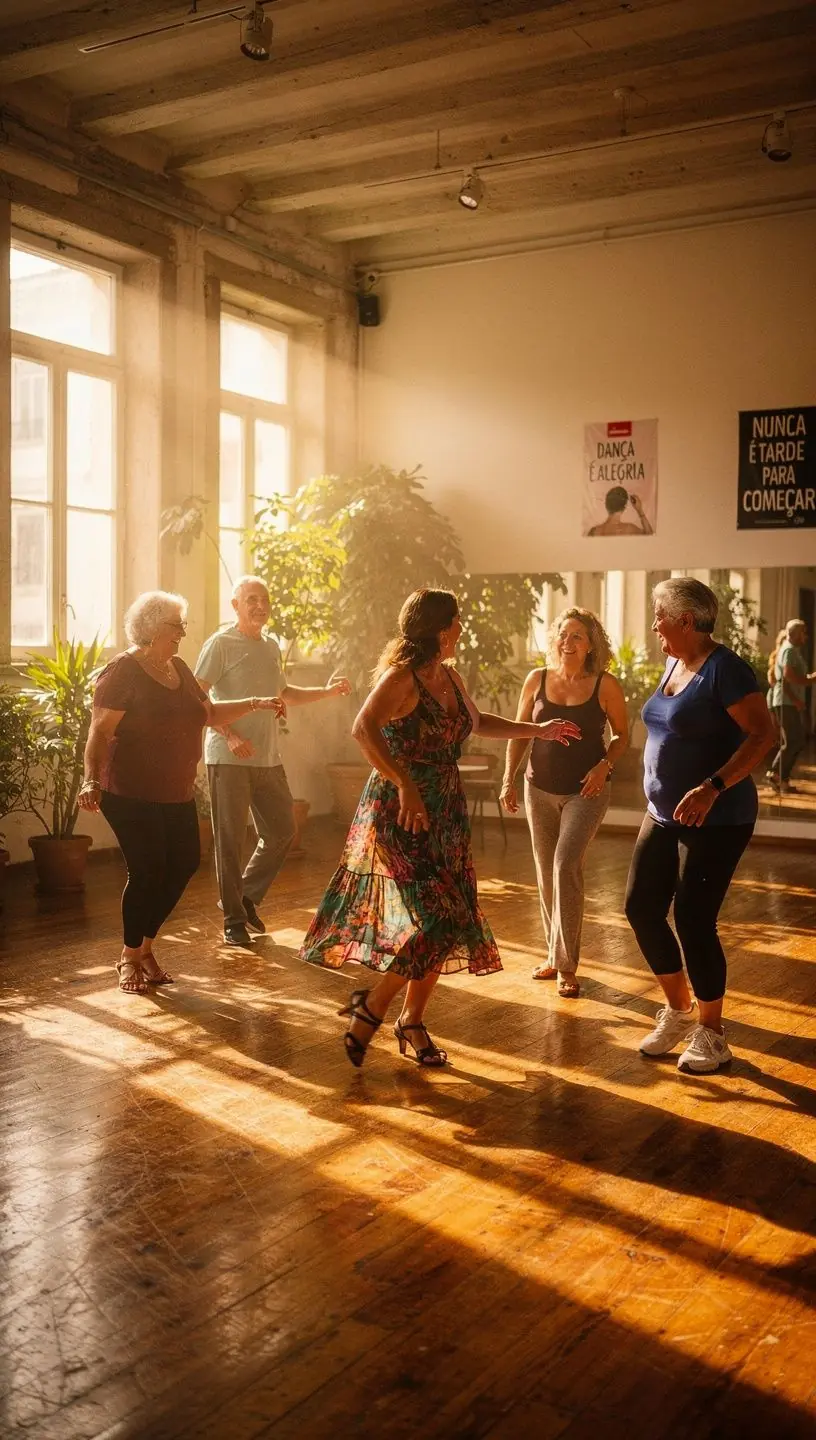
Dance workshops typically focus on both skill development and personal growth. According to experts in the field, effective workshops require a clear structure that balances instruction, practice, and feedback. The principles behind this approach emphasize gradual learning, where participants build confidence and skills progressively.
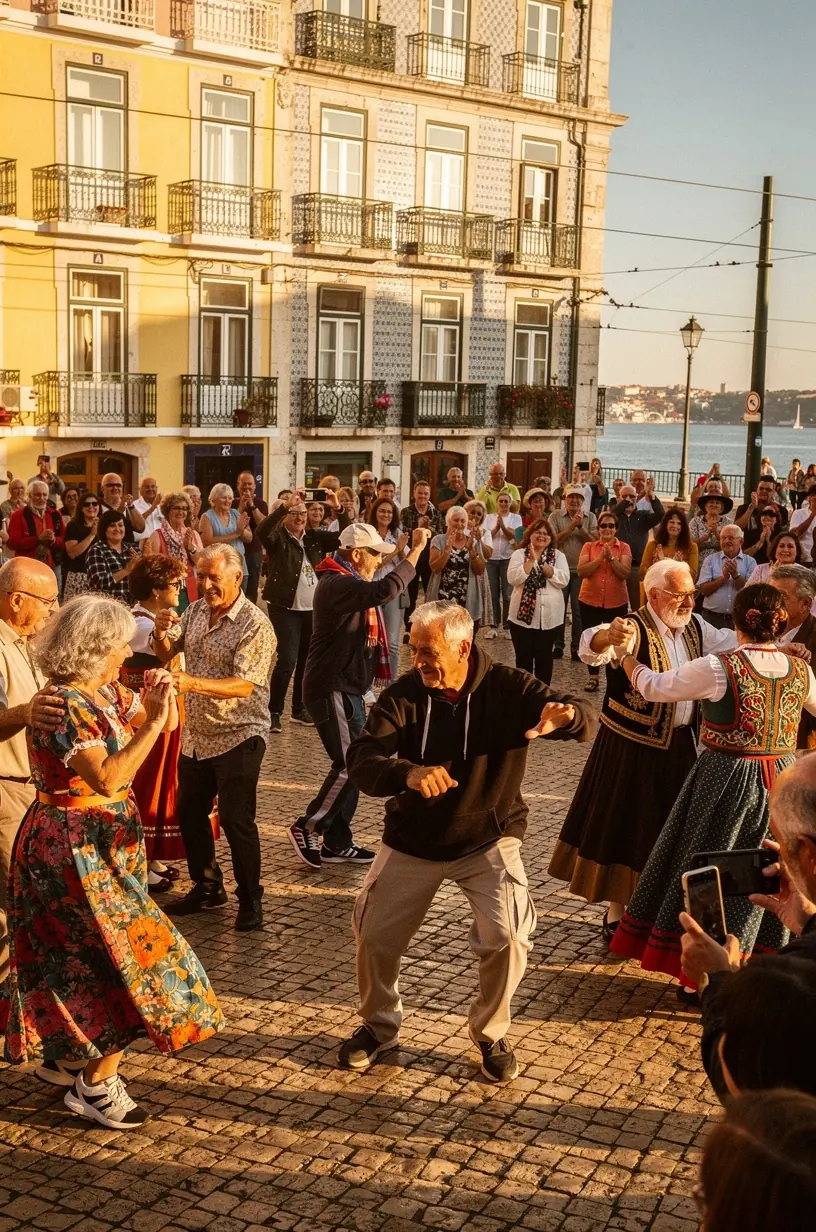
"Effective workshops foster an environment of support and encouragement, which is essential for participants to feel comfortable expressing themselves through dance."
Key Elements of a Successful Dance Workshop
- Clear Objectives: Define specific goals for each session. For example, whether the aim is to teach a particular dance style or to focus on self-expression through movement.
- Structured Sessions: Organize the workshop into segments that include warm-ups, technique training, practice, and cool-downs. Research shows that structured sessions can improve learning outcomes by providing participants with a clear path to follow.
- Inclusive Environment: Cultivate a welcoming space where all participants feel valued. Many users report that inclusivity enhances their willingness to engage and learn, which is crucial for workshops aimed at social reintegration.
Implementation Strategies
Facilitating a dance workshop involves several steps that can enhance the overall experience:
- Preparation: Prior to the workshop, outline the session plan, including warm-up routines and choreography sections. This typically takes about 1-2 hours of planning time.
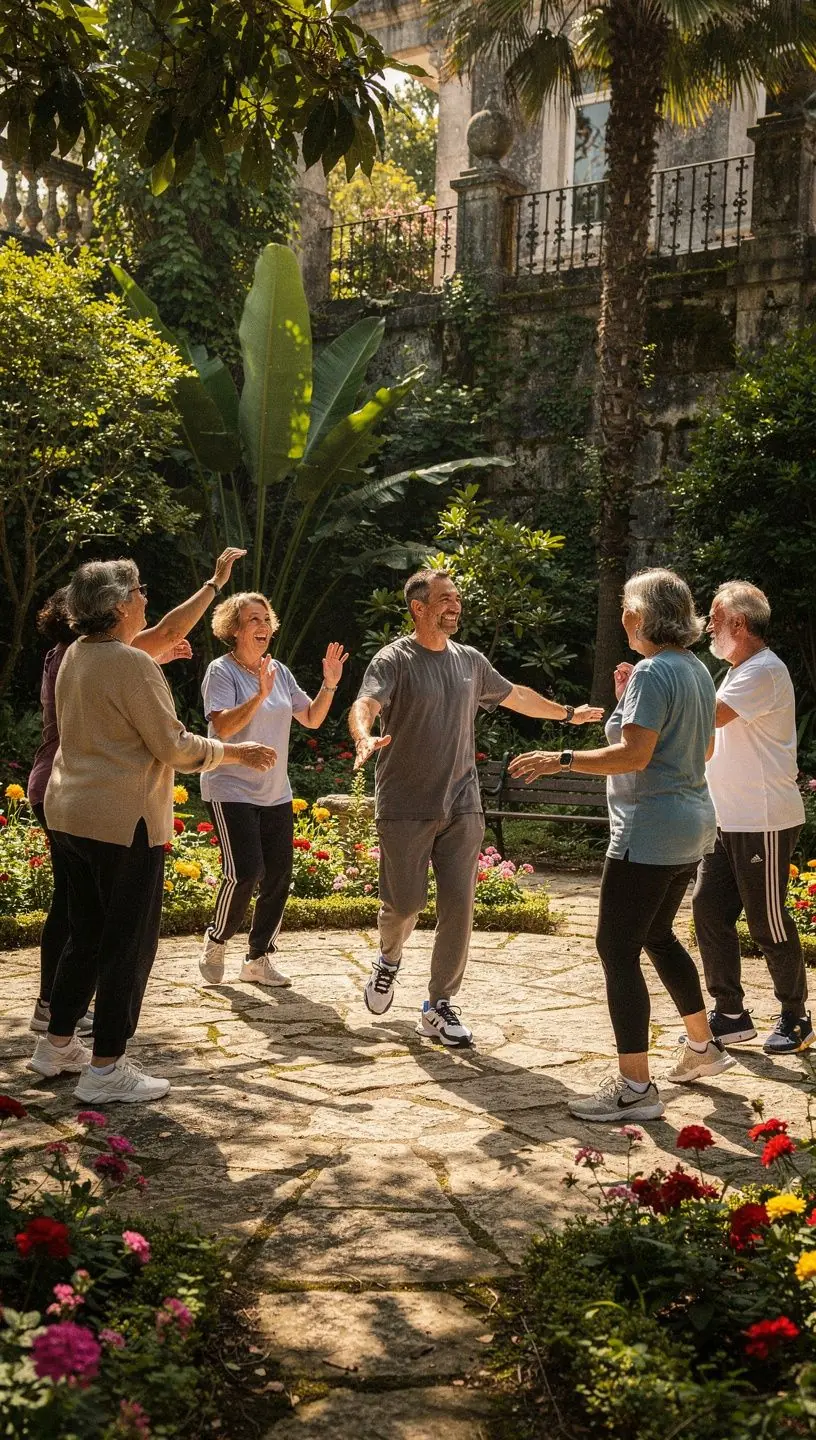
- Engagement Techniques: Use interactive methods to keep participants engaged. Techniques such as partner work or small group discussions can foster collaboration and communication.
- Feedback Mechanism: Encourage participants to provide feedback after each session. This can be done through informal discussions or feedback forms. Incorporating participant feedback into future workshops can significantly improve their effectiveness.
Challenges and Limitations
While effective dance workshops can lead to improved skills and social integration, they often come with challenges. For instance, workshops require a time commitment; participants typically need to attend regularly over several weeks to see significant progress. Additionally, some individuals may experience a learning curve when adapting to new dance styles, which requires patience and dedication.
Conclusion
In summary, facilitating effective dance workshops involves understanding the needs of participants and implementing structured, engaging, and inclusive practices. While challenges exist, the benefits of social reintegration and personal development through dance are profound. By fostering a supportive environment and setting clear expectations, you can create a rewarding experience for all involved.
Learn More