Exploring Cultural Dance as a Tool for Connection
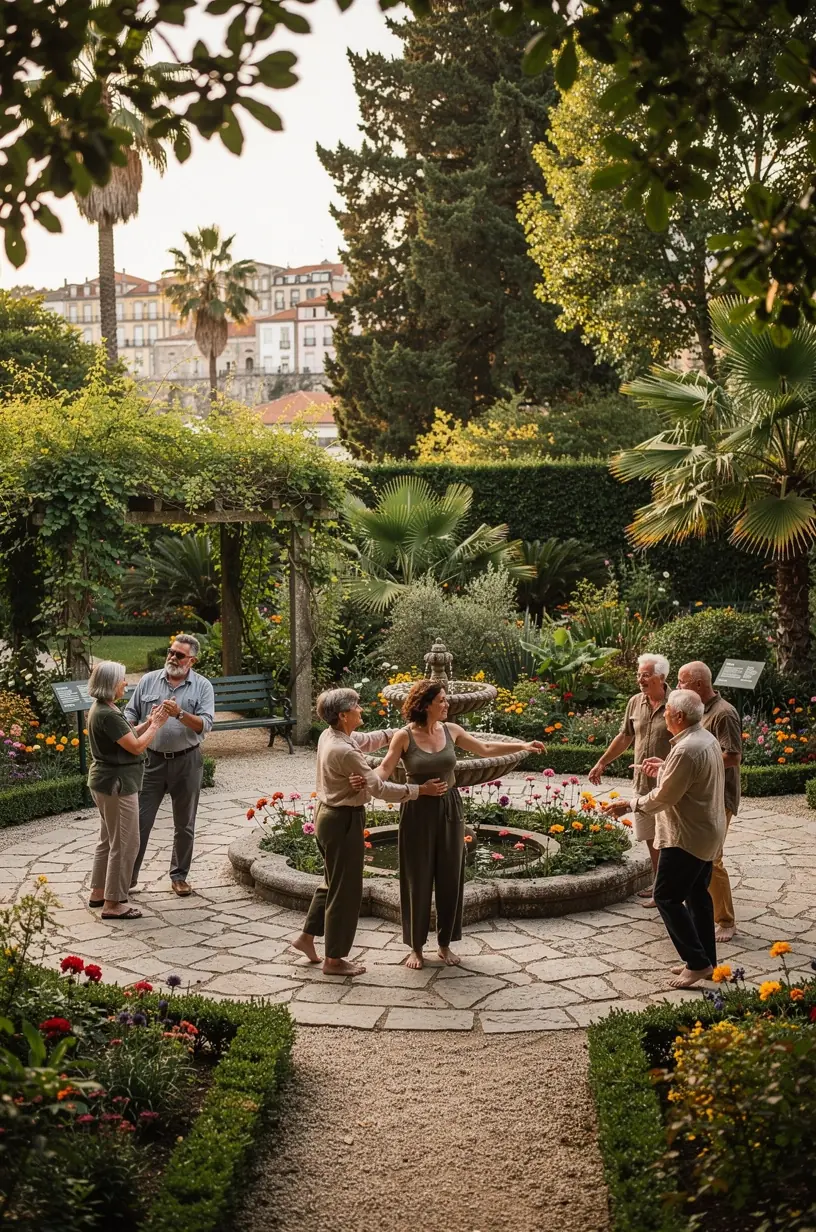
Cultural dance has long been recognized not only as a form of artistic expression but also as a powerful medium for fostering social connections. In the context of coaching academies focused on social reintegration, dance events and structured group sessions can play a crucial role in bridging gaps within communities. This article delves into how cultural dance can effectively facilitate connection and understanding among diverse groups.
Understanding the Basics
Cultural dance, which encompasses a variety of traditional and contemporary forms, serves as a conduit for social interaction and shared experiences. According to research, participating in group dance activities can improve social cohesion and reduce feelings of isolation. A study published in the Journal of Community Psychology indicates that group dance can enhance social bonding by fostering a sense of belonging and collective identity.
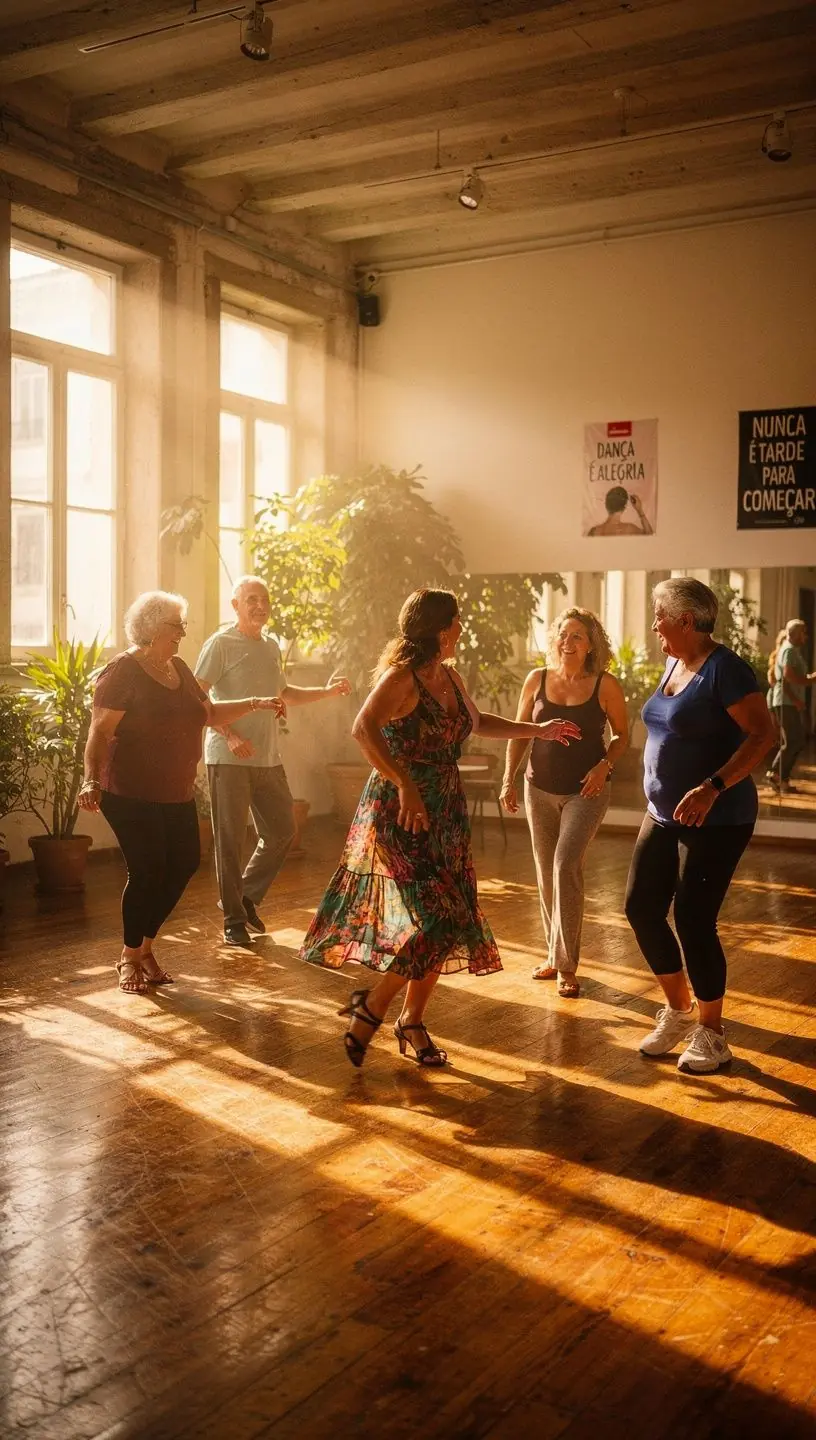
"Dance is a universal language that transcends cultural barriers and unites people through movement and rhythm."
The Role of Movement in Social Reintegration
Engagement in cultural dance involves physical activity that encourages participants to connect with one another in a non-verbal manner. This process can be particularly beneficial in coaching academies aimed at social reintegration where individuals may have experienced isolation or marginalization. By participating in these activities, individuals can:
- Build Trust: Regular participation in dance fosters trust among group members, creating a safe environment for personal expression and emotional support.
- Enhance Communication: Dance often requires coordination and synchronization, which can improve non-verbal communication skills and help participants express themselves in new ways.
- Develop Empathy: Engaging in cultural dance exposes participants to different cultural perspectives, promoting empathy and understanding of diverse backgrounds.
Practical Application of Cultural Dance
Implementing cultural dance within coaching programs can take various forms. Here are some effective strategies:
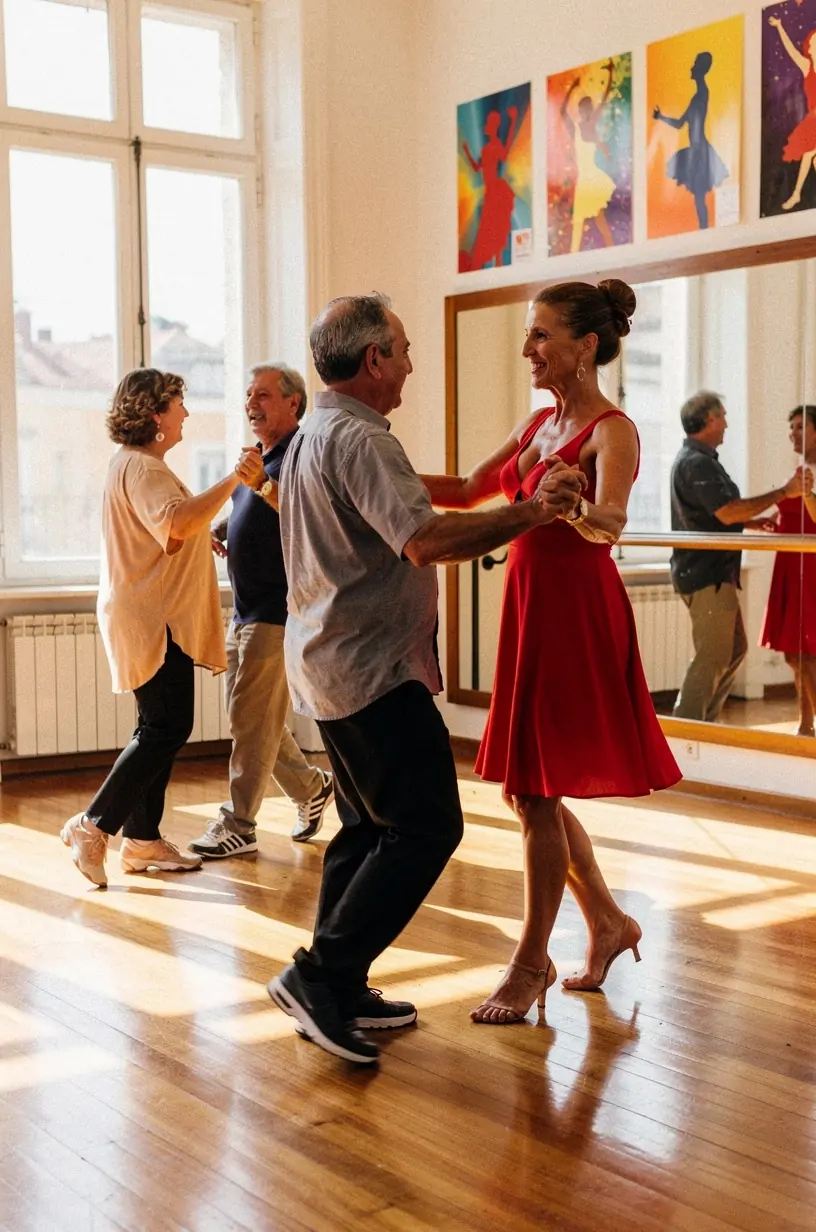
- Structured Group Sessions: Facilitate regular dance workshops that focus on different cultural styles. This approach not only teaches skills but also encourages participants to share their own cultural identities.
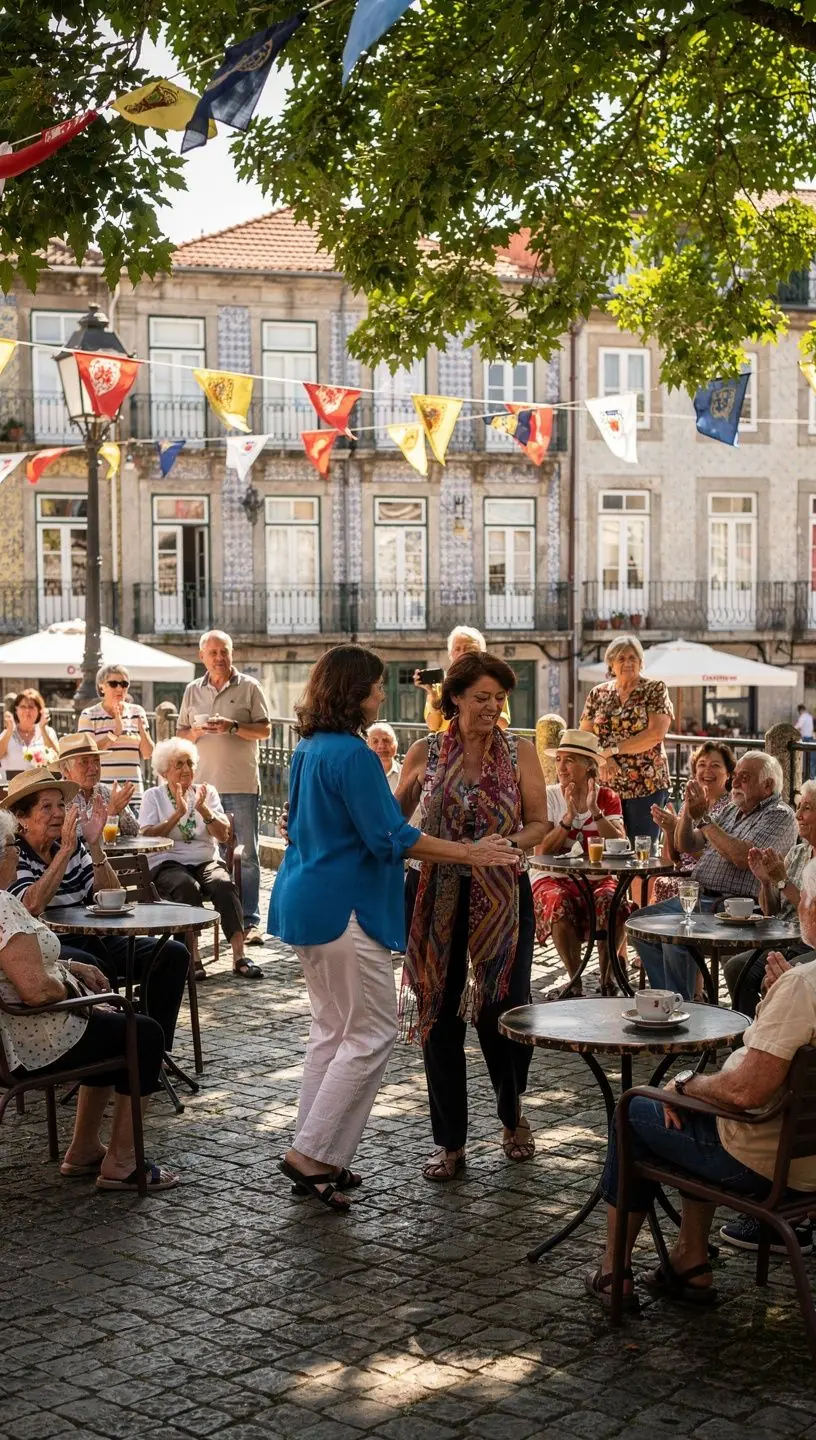
- Community Dance Events: Organize community events that invite diverse groups to perform and participate. Studies show that such inclusive gatherings can reduce stereotypes and foster positive relationships.
- Feedback and Reflection: After each session, encourage participants to reflect on their experiences and share insights. This practice can deepen connections and reinforce the lessons learned through dance.
Acknowledging Limitations
While cultural dance can serve as an effective tool for connection, it's important to acknowledge that not every individual may feel comfortable participating. Some may have prior negative experiences with group activities or dance. Therefore, it is crucial to create an inclusive and supportive environment where participation is voluntary and respected. Additionally, results from these programs typically take time to manifest; participants may need several weeks to fully engage and appreciate the benefits of social connection through dance.
Conclusion
Cultural dance can be a valuable resource for coaching academies focused on social reintegration. By fostering connections through movement, these programs can help individuals develop trust, enhance their communication skills, and cultivate empathy towards others. While challenges may arise, the potential benefits of building a connected community through cultural dance events and structured sessions are significant. Encouraging participation with patience and understanding can lead to enriched relationships and a more inclusive society.
Learn More