The Science Behind Dance and Memory Enhancement
Dance is often seen as a form of expression and entertainment, but recent research illuminates its profound impact on cognitive functions, particularly memory enhancement. This article delves into the science behind how engaging in dance can improve memory and learning capabilities.
Understanding the Basics
Many studies indicate that physical activity, including dance, can positively influence brain function. According to research published in the New England Journal of Medicine, individuals who engage in regular dance activities demonstrate a lower risk of dementia. This is because dance requires the integration of multiple cognitive processes, including coordination, rhythm, and emotional expression.
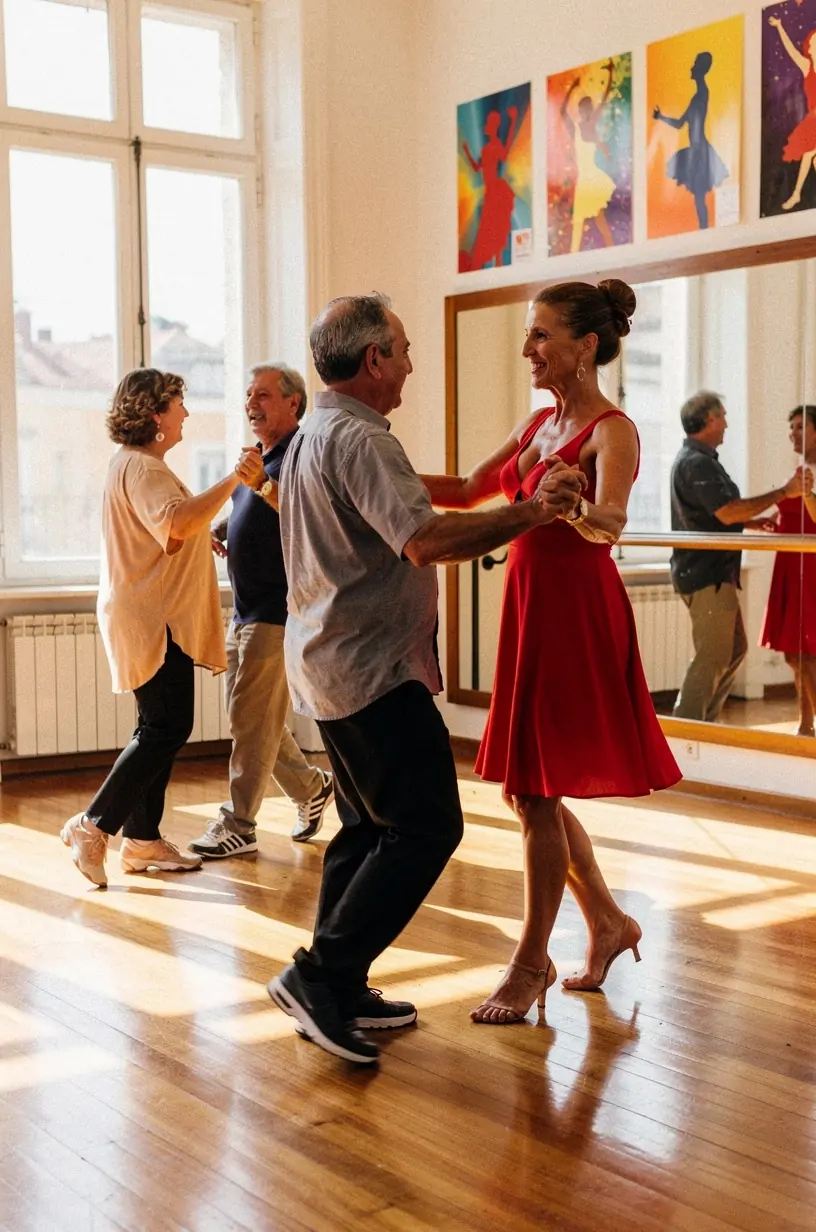
"Dance involves the engagement of both the mind and body, which experts suggest is crucial for enhancing memory and cognitive functions."
How Dance Affects Memory
The principles behind dance's effect on memory can be attributed to several factors:
- Physical Activity: Engaging in dance increases blood flow to the brain, which can help improve neuroplasticity—the brain's ability to form new neural connections.
- Cognitive Engagement: Dance routines often require individuals to memorize steps and sequences, which actively stimulates memory pathways.
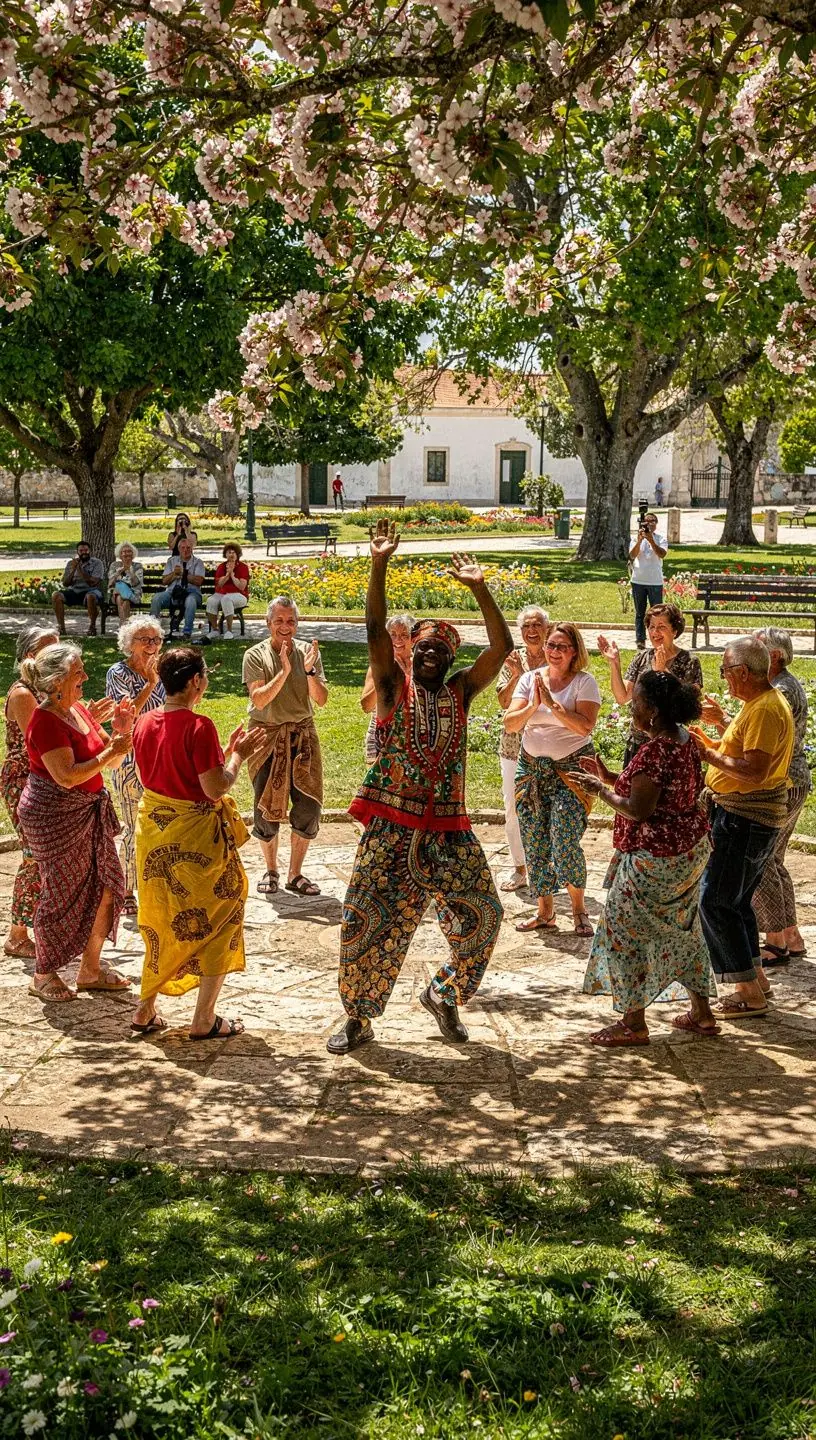
- Social Interaction: Group dance sessions foster social connections that can enhance emotional well-being, which is associated with improved cognitive functions.
Practical Application in Coaching Academies
Coaching academies focusing on social reintegration often utilize dance as a structured group activity. These programs typically involve:
- Regular Sessions: Participants are encouraged to attend sessions 2-3 times a week, which can help reinforce memory through repetitive learning.
- Varied Dance Styles: Incorporating different styles of dance can stimulate various areas of the brain, promoting broader cognitive engagement.
- Feedback Mechanisms: Participants receive constructive feedback, which not only aids in skill development but also reinforces memory retention.
Challenges and Considerations
While dance can significantly enhance memory, it’s essential to acknowledge the limitations:
- Typically, the benefits of dance on memory may take several weeks, often requiring consistent participation and commitment.
- For those new to dance, there may be a learning curve involved, and initial challenges can discourage participation.
- Dance as a memory enhancement tool is most effective when combined with other cognitive activities, such as puzzles or social interaction.
Conclusion
Engaging in dance can be a valuable and effective approach to improving memory and cognitive function, supported by various studies. By participating in structured group sessions and regular practice, individuals can experience meaningful enhancements in memory and overall brain health. As research continues to uncover the intricacies of dance and cognition, coaching academies play a pivotal role in facilitating these benefits for social reintegration.