How Group Sessions Foster Community Bonds
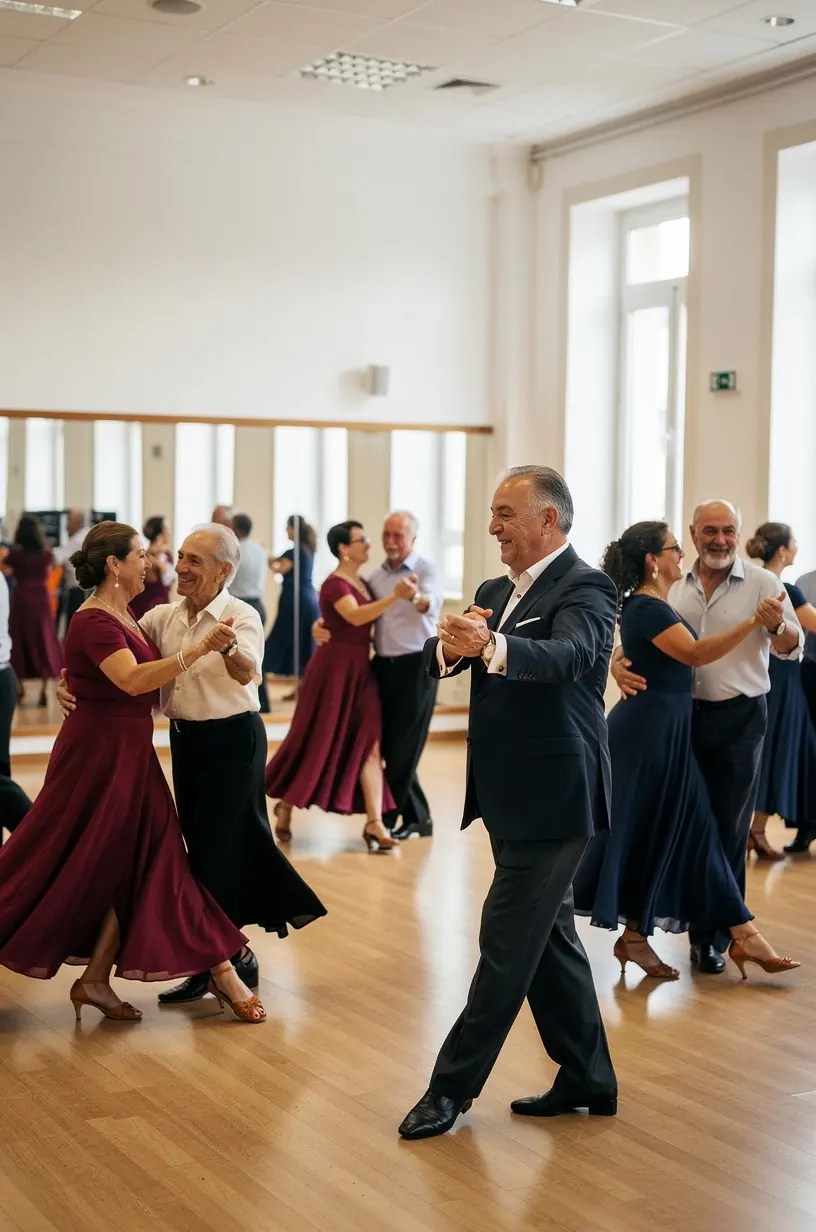
Group sessions are becoming increasingly popular as a means to enhance social reintegration, particularly through activities like dance. These sessions not only encourage physical movement but also help forge connections within the community. In this article, we will explore how group sessions can foster community bonds, backed by research and expert insights.
Understanding the Basics of Group Sessions
Group sessions often revolve around shared activities, such as dance, which serves as a powerful medium for social interaction. According to studies, engaging in group activities can significantly improve interpersonal relationships and foster a sense of belonging among participants. Researchers have found that these social gatherings can enhance emotional well-being and reduce feelings of isolation, which is particularly vital in settings focused on social reintegration.
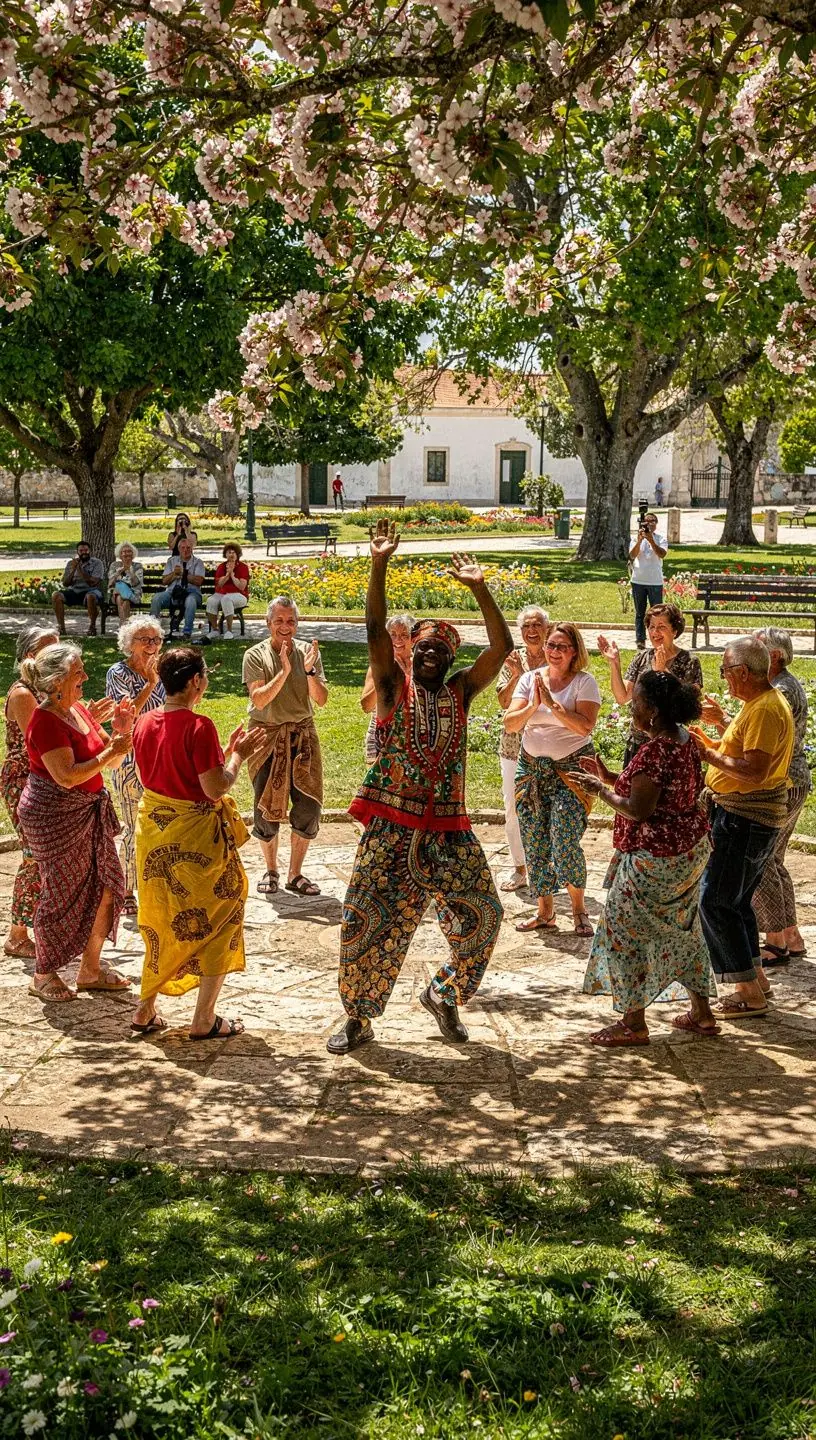
"Participating in group activities can increase social support and encourage bonding among individuals, essential for community reintegration." - Dr. Sarah Miller, Community Psychologist
The Benefits of Structured Group Sessions
Structured group sessions typically provide a framework for participants to interact and connect. This structure is crucial for several reasons:
- Encouragement of Communication: Group sessions create a safe environment where individuals feel more comfortable expressing themselves. Communication is often facilitated through guided activities, allowing participants to connect over shared experiences.
- Development of Trust: Regular participation in group sessions can help build trust among members. As individuals interact repeatedly, they begin to establish rapport, which is essential for community bonding.
- Shared Goals: Engaging in a common objective, such as learning a dance routine, fosters teamwork and cooperation. Working towards a mutual goal can strengthen relationships and enhance the sense of community.
How Group Sessions Operate
The methodology behind successful group sessions often involves several key components:
- Initial Assessment: Facilitators typically assess the needs and goals of participants before commencing sessions. This helps tailor the approach to the unique dynamics of the group.
- Structured Activities: Activities are designed to promote engagement and interaction, such as collaborative dance routines or group discussions that explore themes related to community and personal growth.
- Feedback Mechanisms: Continuous feedback is encouraged, allowing participants to share their experiences and feelings about the group dynamics. This feedback is crucial for adjusting the sessions to better meet participants' needs.
Addressing Limitations and Setting Expectations
While group sessions can be highly effective, they do require a commitment from participants. Engagement typically takes time, with noticeable outcomes often appearing after several weeks of consistent attendance. It's important to recognize that:
- Participants may need time to feel comfortable within the group setting, which varies based on individual experiences.
- Active participation is encouraged, and those who engage more fully often report greater benefits.
- Group sessions may not be suitable for individuals looking for immediate results; a gradual approach to building community bonds is essential.
Conclusion
In summary, group sessions are a valuable tool for fostering community bonds, especially through structured activities like dance. By understanding the methodology, benefits, and limitations of these sessions, individuals can make informed decisions about their participation. Group sessions may serve as an effective means of enhancing social integration, providing participants with a sense of belonging and support within their community.
Learn More