Exploring Different Dance Styles for Social Connection
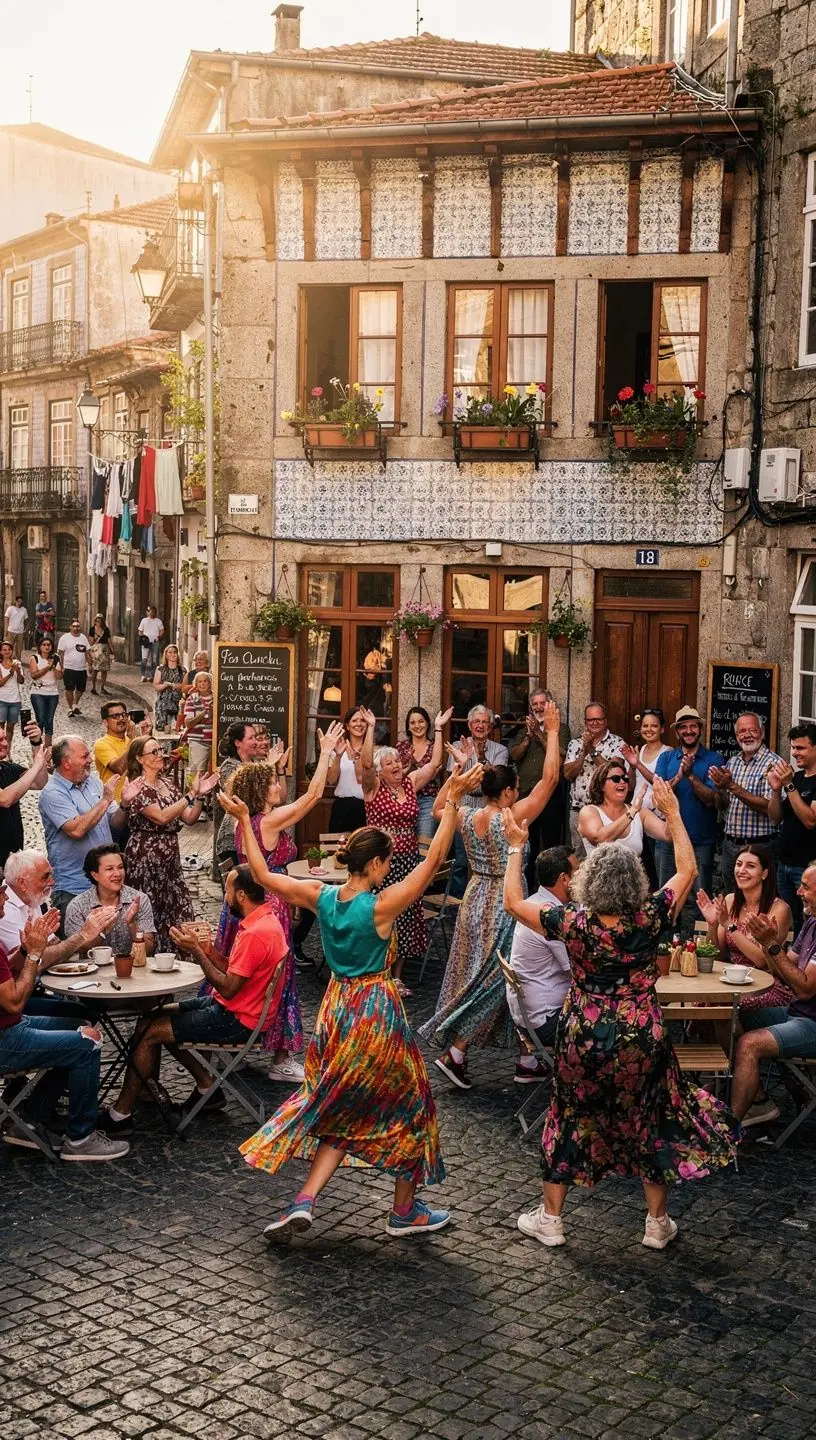
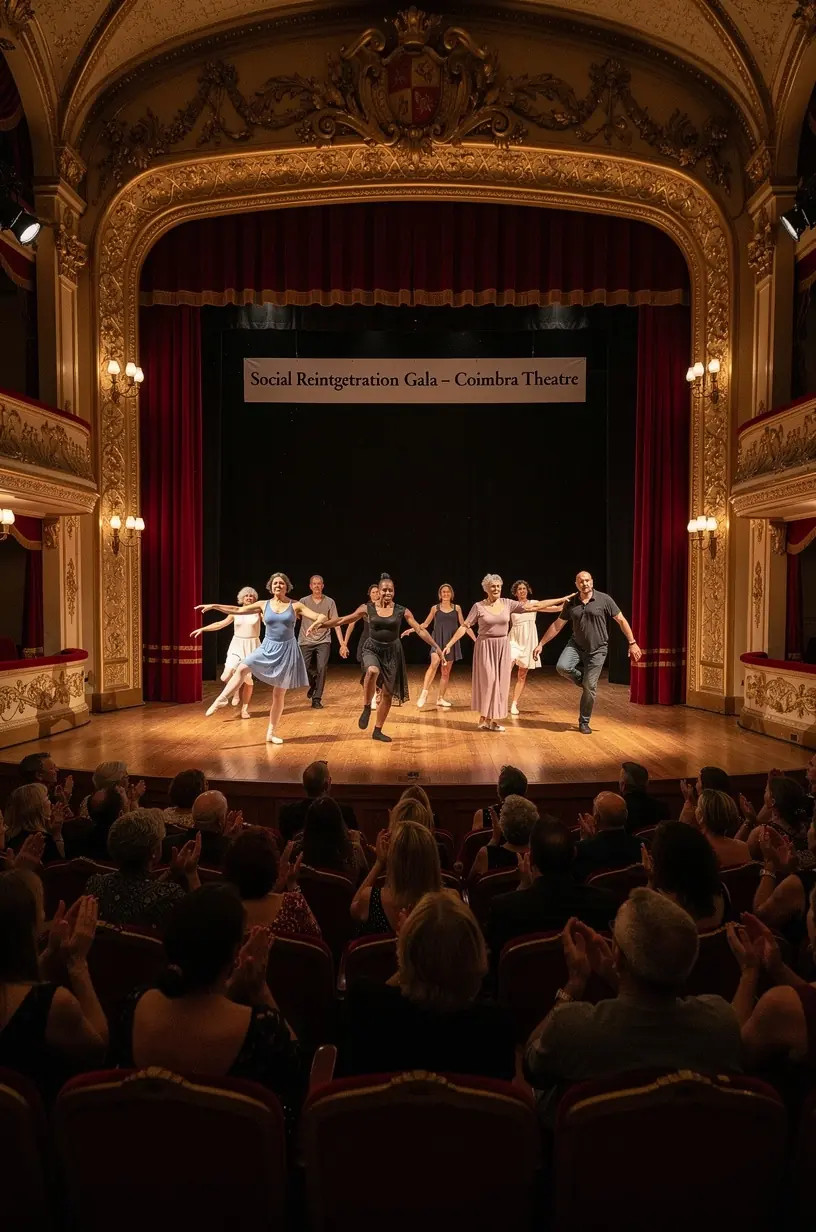
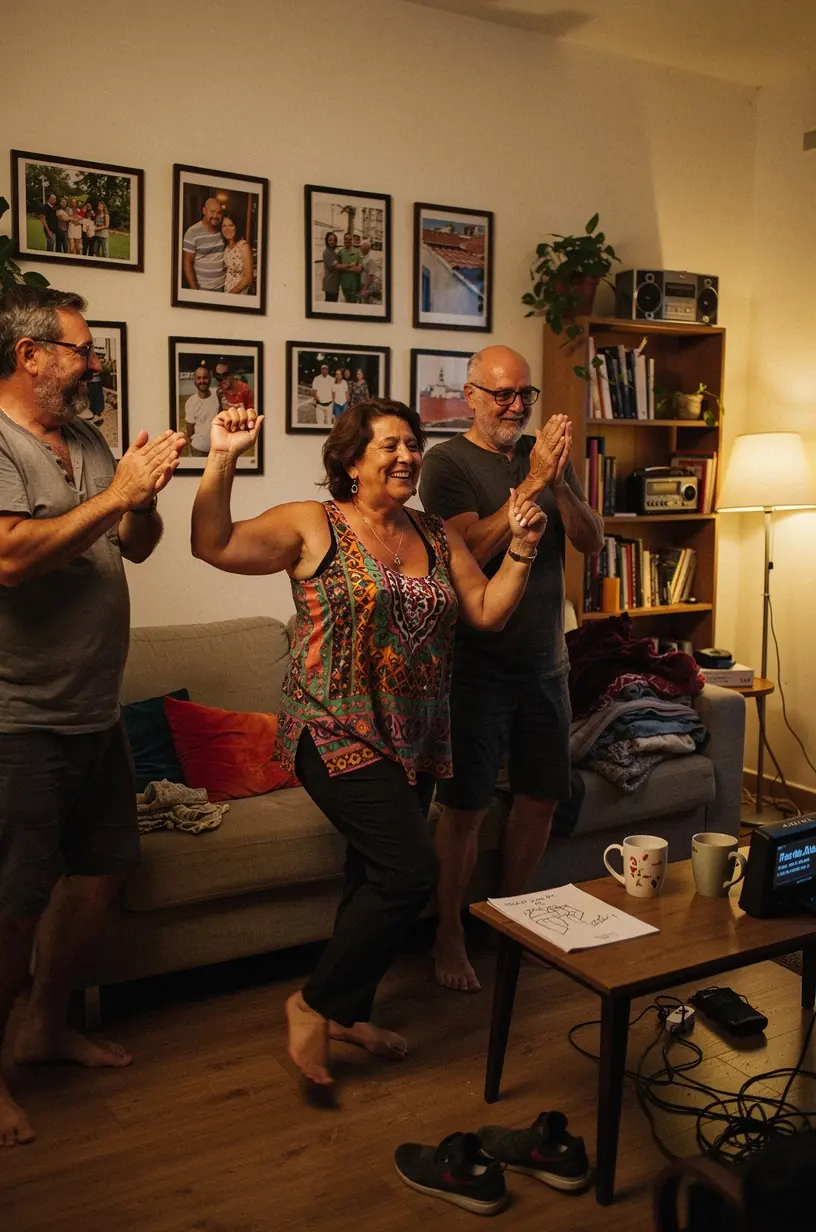
Dance is not only an art form; it can also be a powerful tool for social reintegration and connection. Many individuals have experienced improved social skills and emotional well-being through various dance styles. This article explores how different dance forms can foster meaningful connections among participants.
Understanding the Role of Dance in Social Reintegration
According to research, engaging in group activities such as dance can significantly enhance social skills and provide emotional support. Dance often serves as a medium for self-expression, helping individuals connect with others who share similar interests and experiences. Studies show that participation in structured group sessions can lead to increased feelings of belonging and community, which is essential for social reintegration.

"Dance can break down barriers and create an environment where individuals feel valued and understood." - Expert in Social Psychology
Popular Dance Styles and Their Benefits
Many users report that different dance styles offer unique opportunities for connection. Here are a few popular options:
- Salsa: This lively Latin dance encourages interaction and teamwork, fostering a sense of community among participants. Salsa classes typically involve partner work, which can help build trust and communication skills.
- Hip-Hop: Known for its energetic movements and expressive style, hip-hop allows individuals to showcase their personality. This dance form often emphasizes creativity and can help participants feel more confident in social settings.
- Ballroom: This classic dance style is often associated with elegance and formality. Ballroom dancing requires coordination with a partner, which can help enhance social skills and promote mutual respect.
- Contemporary: Known for its fluid movements and emotional expression, contemporary dance can aid in personal reflection. Participants often find themselves opening up in a supportive environment, leading to deeper interpersonal connections.
How to Get Started with Dance for Social Connection
Engaging in dance as a means of social connection involves a few key steps:
- Research Local Classes: Look for coaching academies or community centers in your area that offer dance programs focused on social reintegration.
- Commit to Practice: Many dance styles require consistent practice and participation. Typically, participants see improvements in their skills and confidence within 4-6 weeks of regular attendance.
- Engage with Others: Actively participate in group sessions and communicate with fellow dancers. Building relationships can significantly enhance the experience.
Acknowledging the Limitations
While dance can be a highly effective method for social connection, it's essential to recognize some limitations. Not every individual may feel comfortable in a group setting initially, and it may take time to develop confidence. Typically, building relationships through dance requires patience and dedication.
Conclusion
Exploring different dance styles can offer valuable opportunities for social connection and personal growth. By understanding the various benefits and steps to engage in dance, individuals can experience improved social skills and emotional well-being. As you embark on this journey, remember that the path to social reintegration through dance may vary for each person, but the potential for meaningful connections is abundant.
Learn More