Understanding Non-verbal Communication in Dance
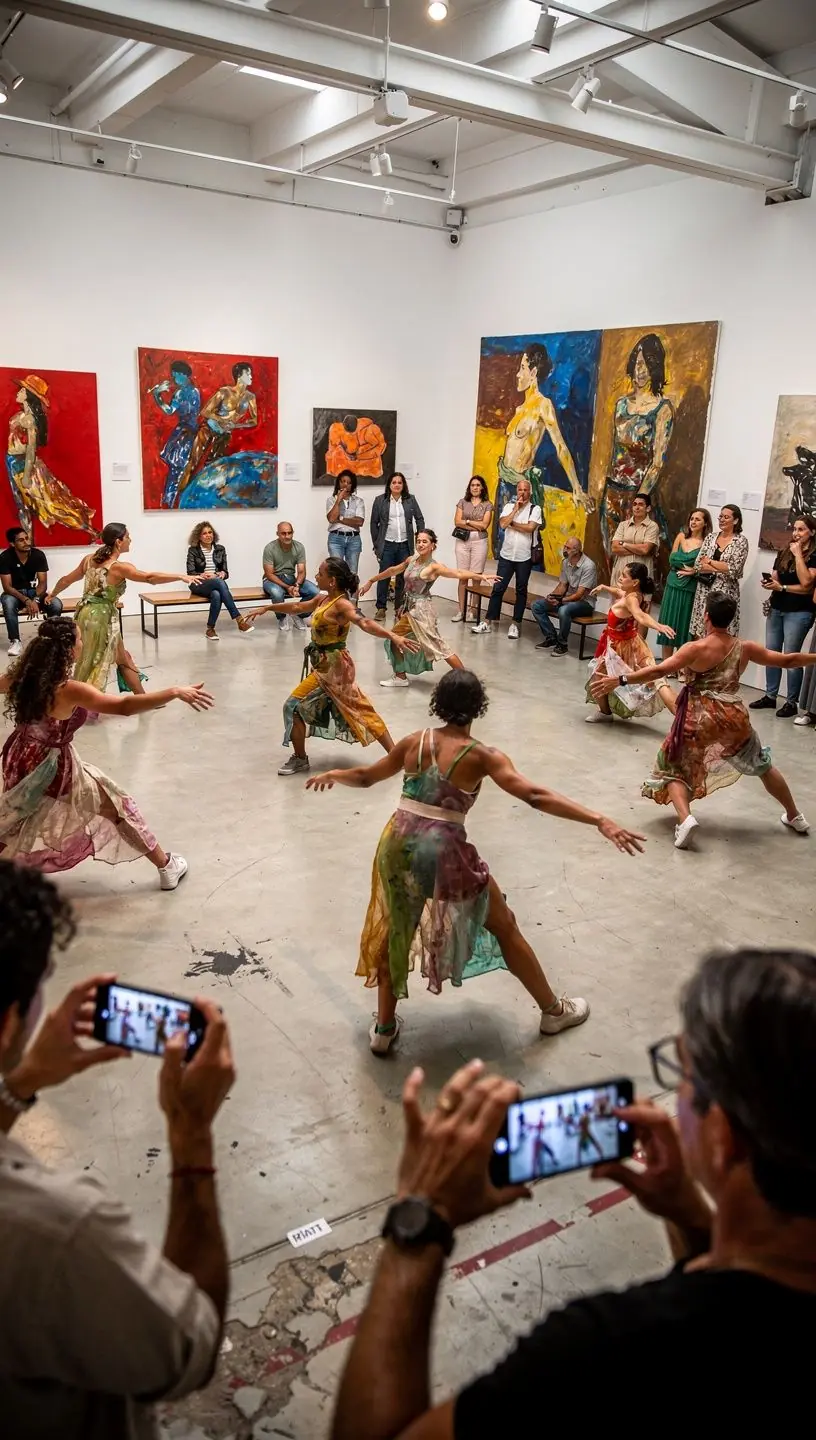
Non-verbal communication plays a crucial role in dance, particularly in social reintegration initiatives. This article explores how dancers convey emotions and messages through body language, movement, and rhythm, offering insights into its significance within structured group sessions.
Understanding the Basics of Non-verbal Communication
Non-verbal communication encompasses a range of behaviors, including facial expressions, gestures, postures, and movements. According to research published in the journal Emotion, approximately 93% of communication is non-verbal, with body language contributing significantly to how messages are interpreted. This suggests that in dance, the way movements are executed can convey feelings and intentions more powerfully than words.
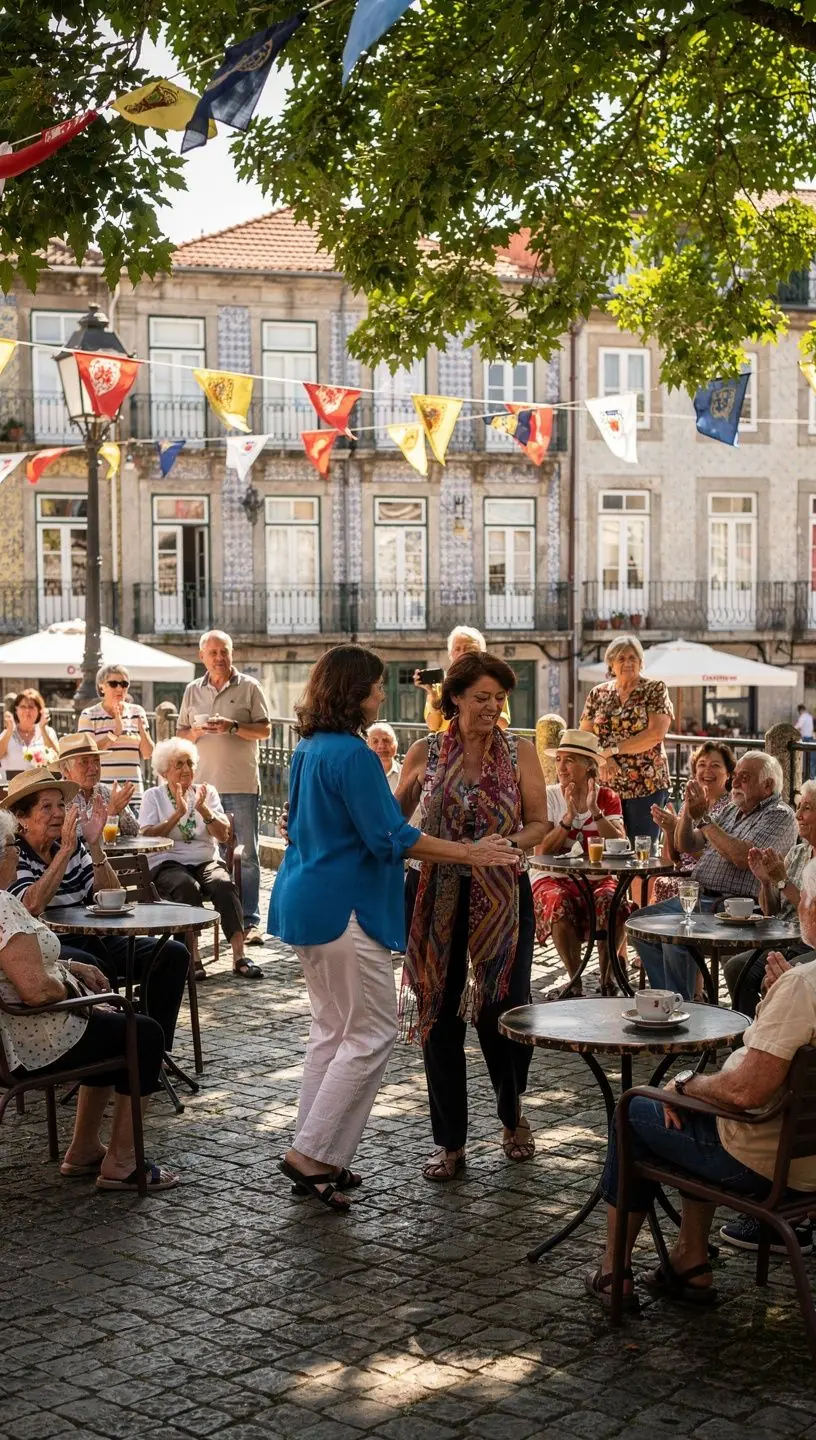
"The body speaks a language of its own; understanding this is key to effective communication in dance." - Dance Psychologist
The Role of Dance in Social Reintegration
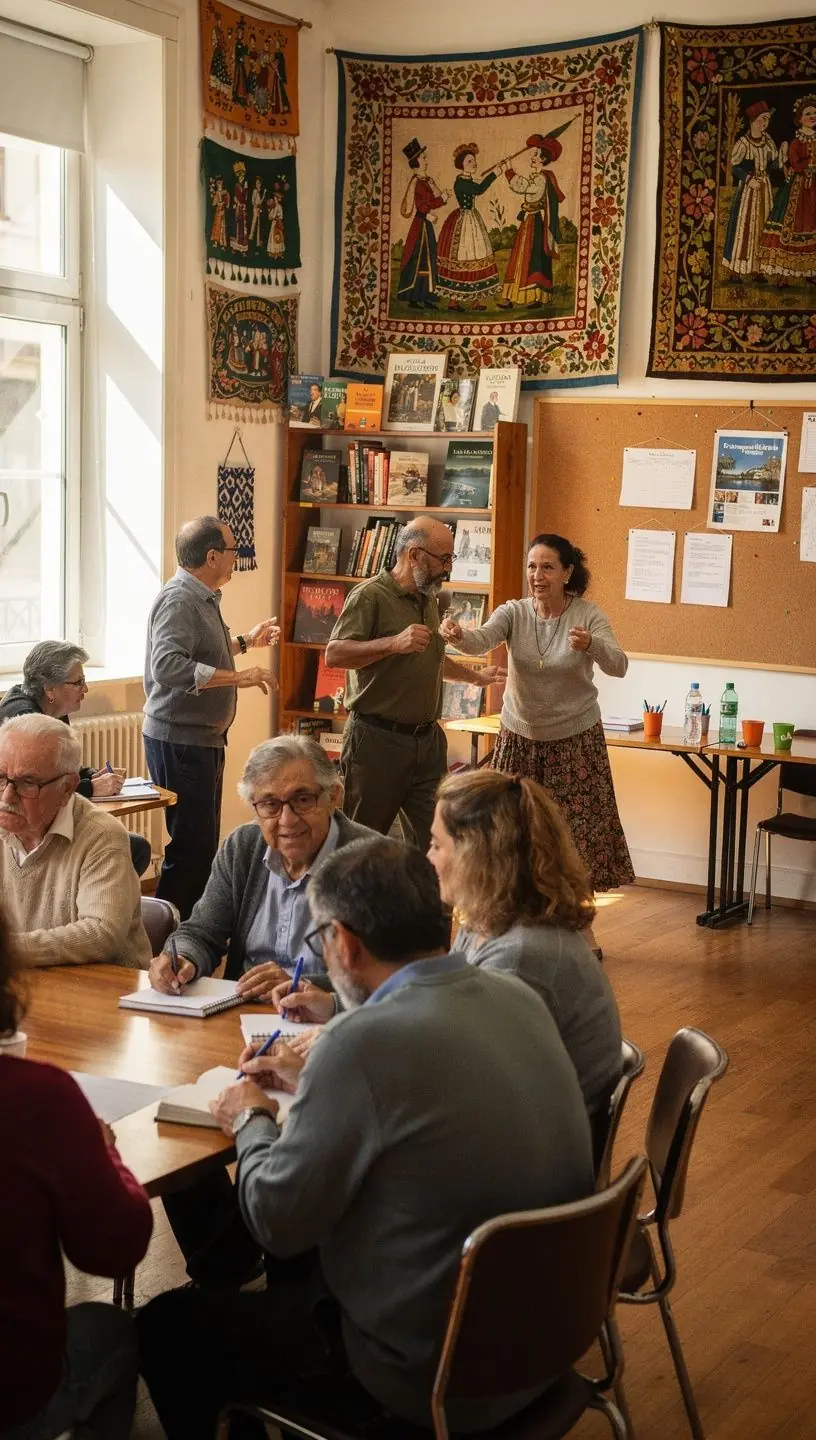
Structured dance sessions, often implemented in coaching academies, provide a platform for individuals to practice non-verbal communication in a supportive environment. Experts recommend that these sessions foster not only physical skills but also emotional expression and social interaction.
Many participants report that engaging in dance helps them overcome social anxieties. This is typically achieved through:
- Group Dynamics: Dance encourages collaboration and teamwork, which can help individuals develop trust and improve their social skills.
- Emotional Expression: Through movement, individuals can express emotions that may be difficult to articulate verbally, thereby enhancing their emotional intelligence.
- Skill Development: Regular practice in dance improves body awareness and control, which are essential for effective non-verbal communication.
Practical Application of Non-verbal Communication in Dance
To effectively harness non-verbal communication in dance, individuals should consider the following strategies:
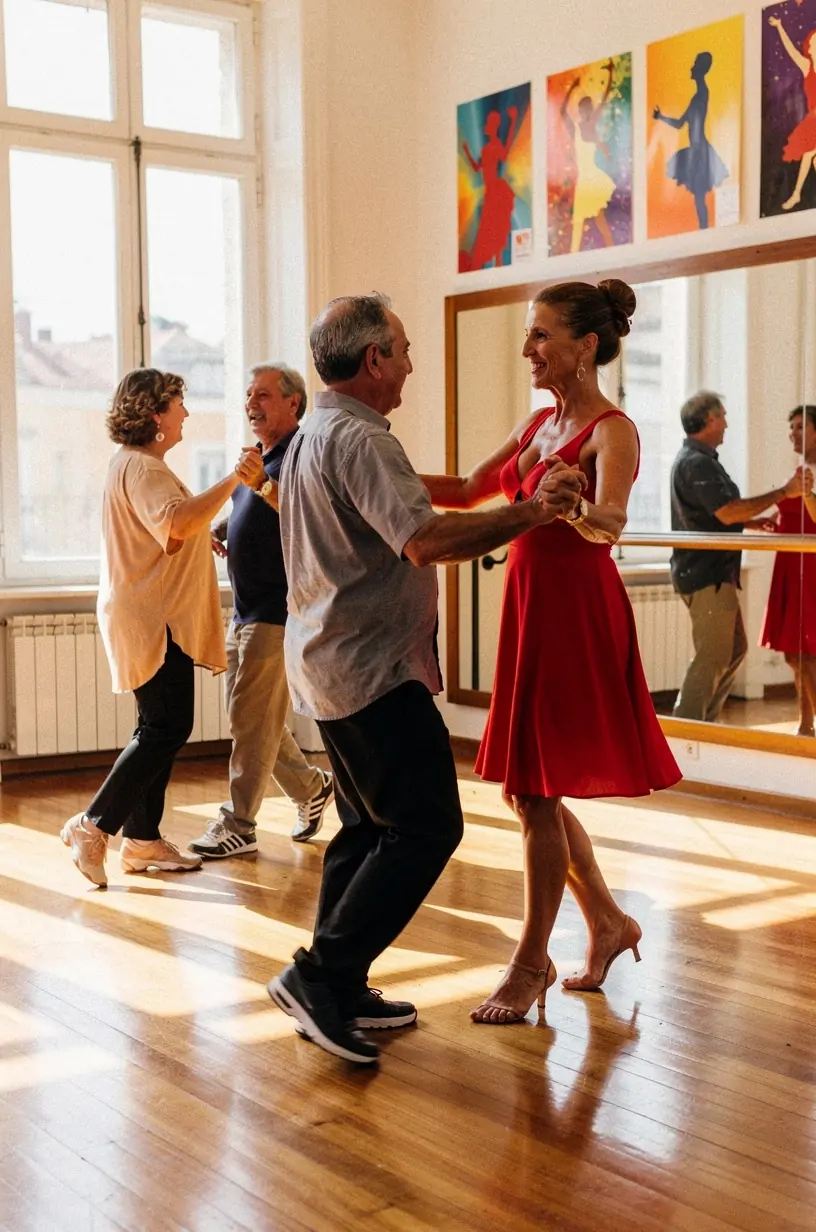
- Practice Active Observation: Becoming aware of how others communicate through body language can enhance your own non-verbal cues. Engaging in partner work during dance classes can provide valuable insights into this dynamic.
- Experiment with Expression: Encourage participants to explore different emotions through choreography. This not only aids in personal expression but also helps in understanding how various movements can convey different messages.
- Feedback Sessions: Incorporate regular feedback from peers and instructors. This practice can help individuals refine their non-verbal communication skills by learning how their movements are perceived by others.
Conclusion
Non-verbal communication in dance is a multifaceted skill that can be cultivated through structured sessions. While the journey towards effective communication may involve a learning curve, the benefits—such as improved social skills and emotional expression—are significant. Moving forward, participants in dance programs should embrace the process, utilize the strategies discussed, and remain open to feedback, which collectively can enhance their ability to communicate without words.
Learn More