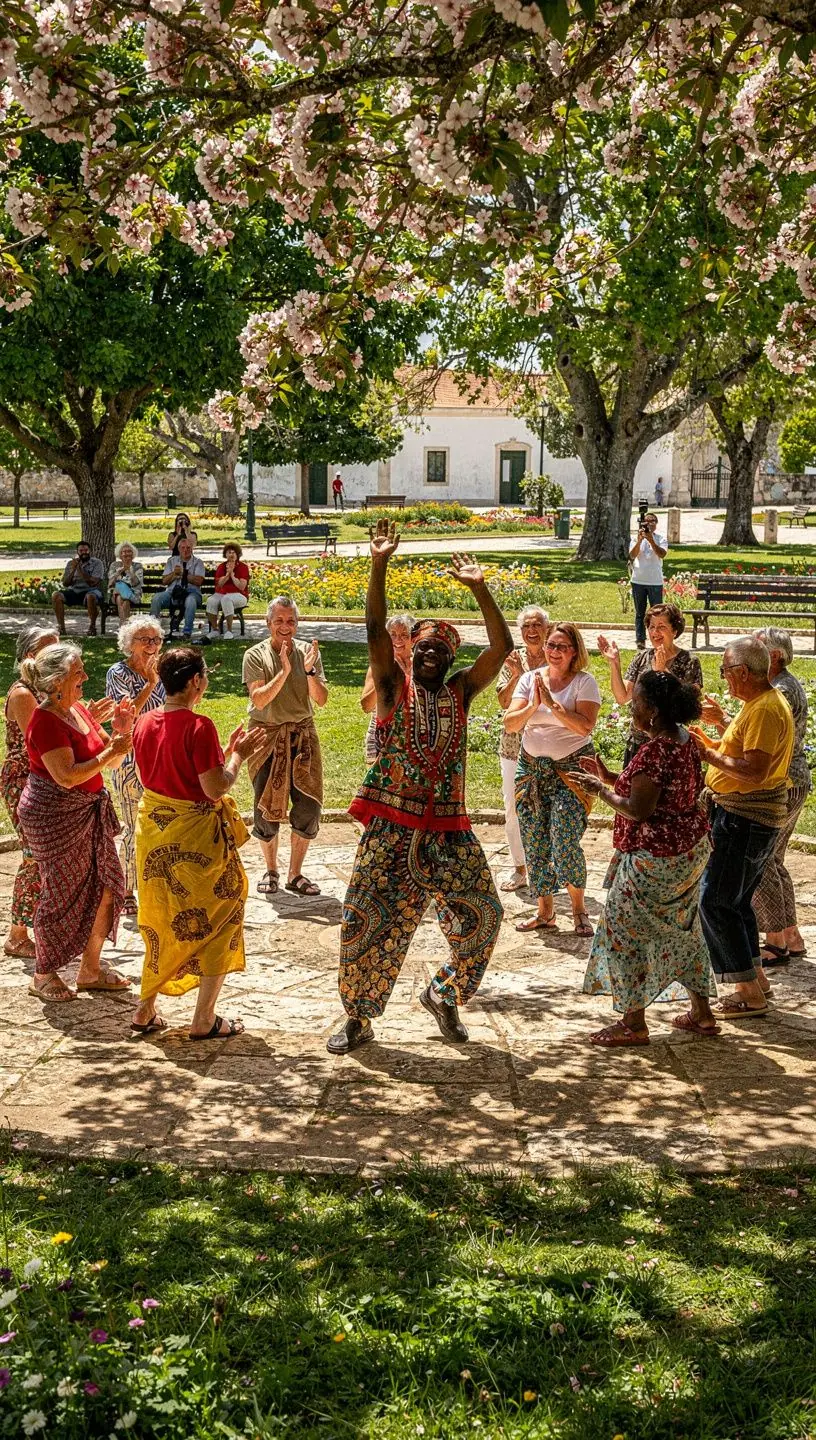
How to Encourage Participation in Dance Programs
As communities increasingly recognize the importance of social reintegration, dance programs have emerged as a powerful tool in fostering engagement and inclusivity. This article explores effective strategies to encourage participation in dance programs, drawing on research and expert recommendations.
Understanding the Importance of Dance in Social Integration
Dance programs can serve as a vital platform for social reintegration, particularly in settings where individuals face various barriers to participation in community life. According to a study published in the International Journal of Community Well-Being, engaging in group activities, such as dance, can significantly enhance social connections and provide emotional support. This is particularly relevant in Portugal, where community-focused initiatives are essential for fostering inclusivity.
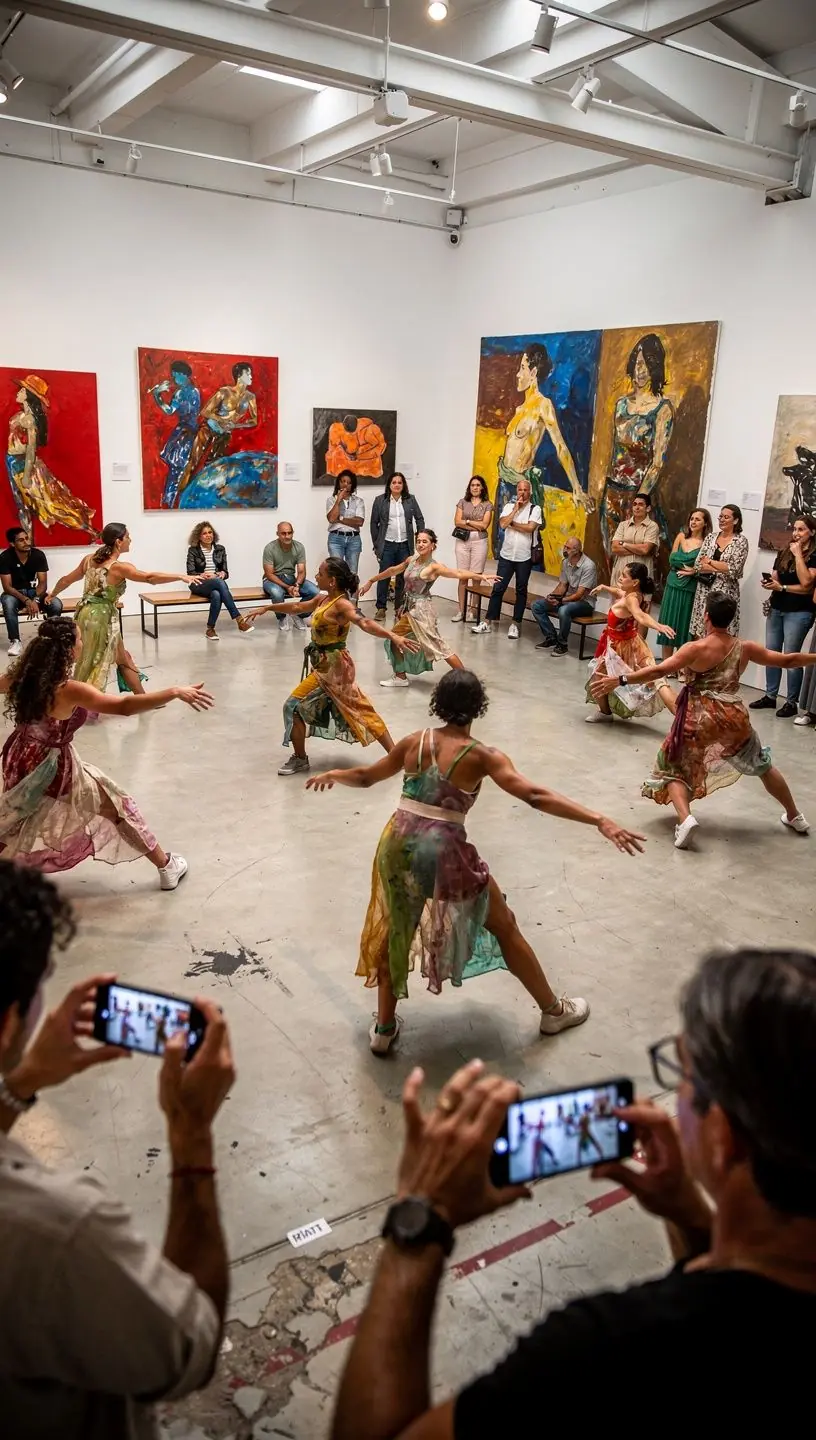
"Participation in arts and cultural activities has been shown to improve social cohesion and individual well-being." - Community Arts Research, 2022
Strategies to Promote Dance Program Participation
Here are several actionable strategies to effectively encourage participation in dance programs:
- Create a Welcoming Environment: Ensure that your dance space is inclusive and accessible. This means considering physical accessibility as well as fostering a positive atmosphere that encourages newcomers. Research indicates that a welcoming environment can increase participation rates by up to 30% in community programs.
- Offer Variety in Classes: Many users report higher levels of participation when a diverse range of dance styles are offered. This could include salsa, hip-hop, or contemporary dance, catering to varying interests and preferences. According to industry experts, a broader selection caters to different skill levels and backgrounds, making it easier for individuals to find a class that resonates with them.
- Incorporate Structured Group Sessions: Structured group sessions not only enhance social bonds but also provide a sense of routine that can be motivating. A study from the Journal of Dance Education found that regular group classes can foster dedication and commitment, leading to improved retention rates.
Promotional Strategies to Reach Potential Participants
In addition to enhancing the program's offerings, effective promotional strategies can further encourage participation:
- Utilize Social Media: Engaging potential participants through social media platforms can amplify outreach efforts. Share success stories, testimonials, and event details to attract a broader audience.
- Offer Free Trial Classes: Offering free introductory classes can lower the barrier to entry for new participants. According to a survey by Dance USA, organizations that provide free classes often see a significant increase in enrollment.
- Partner with Local Organizations: Collaborating with schools, community centers, and non-profits can help spread awareness and encourage enrollments. Many successful dance programs have thrived through strategic partnerships that enhance community visibility.
Challenges to Consider
While implementing these strategies, it's important to acknowledge some potential challenges:
- Time Commitment: Many participants may struggle to commit due to busy schedules. Programs that offer flexible scheduling or shorter class durations can appeal to individuals with time constraints.
- Learning Curve: For beginners, there may be an initial learning curve that could discourage participation. It’s beneficial to incorporate beginner-friendly classes that gradually lead into more advanced sessions.
- Building Trust: Community engagement often requires time to build trust. Ensuring consistent communication and follow-up can help foster relationships with potential participants.
Conclusion
Encouraging participation in dance programs is achievable through thoughtful strategies that embrace inclusivity and community engagement. By creating a welcoming environment, diversifying class offerings, and employing effective outreach tactics, dance academies can significantly enhance participation rates. As noted by various studies, these approaches can lead not only to increased attendance but also to meaningful social connections among participants. Ultimately, the goal is to create a sustainable program that not only teaches dance but also strengthens community ties.
Learn More