Fostering Leadership Skills Through Dance Activities
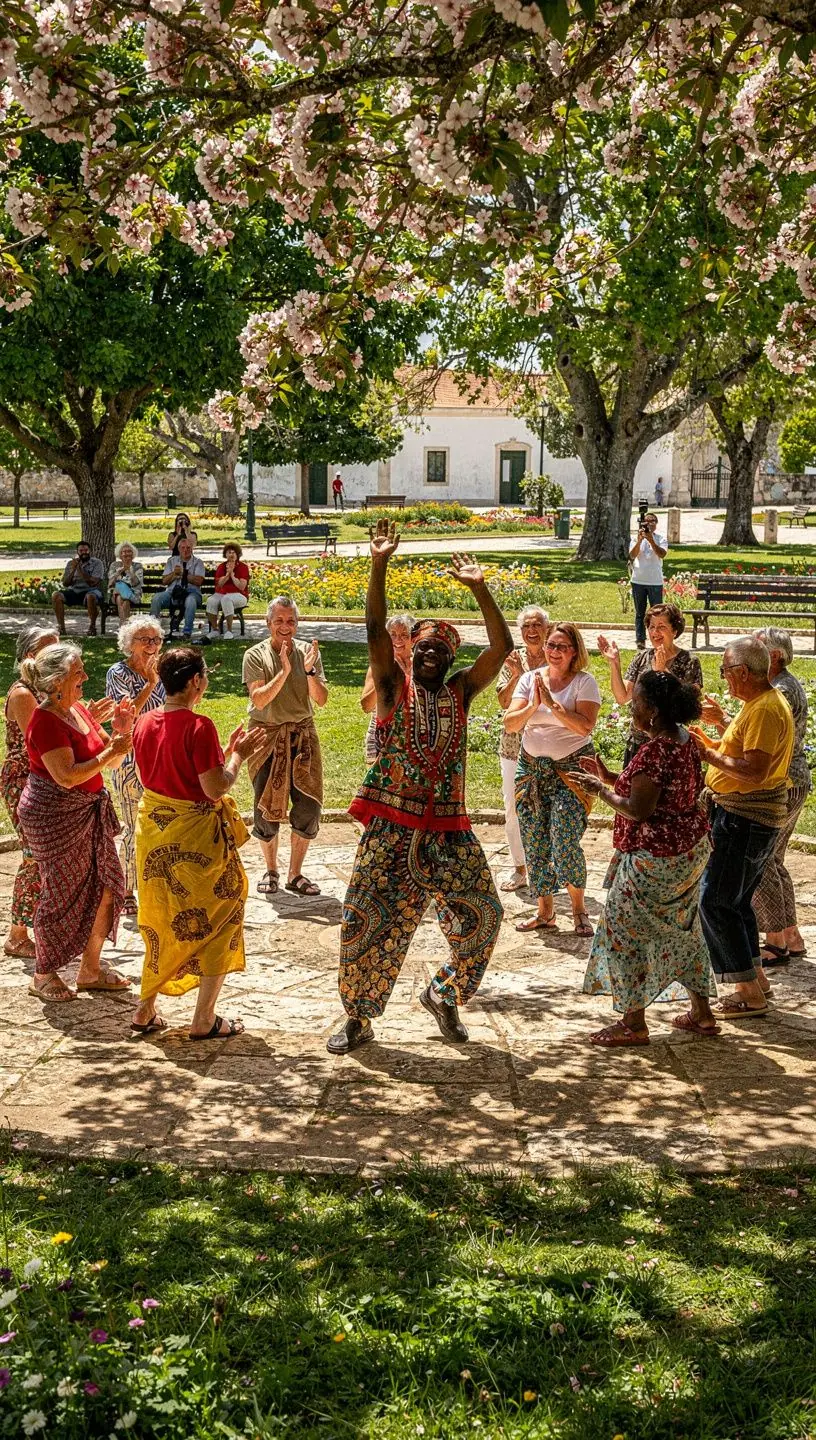
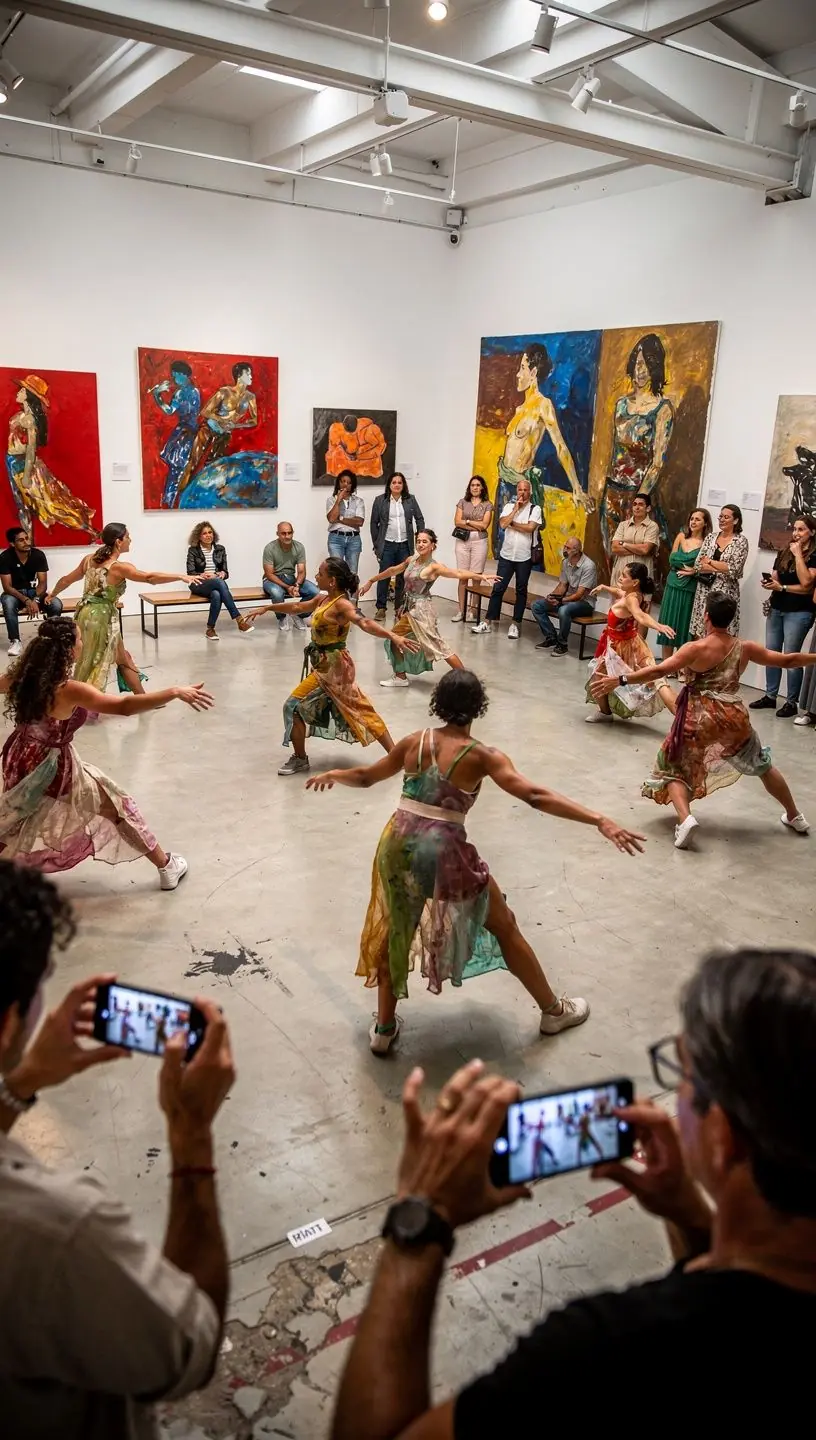
Dance is more than just an art form; it is a powerful method for social reintegration and personal development. In a world where leadership skills are increasingly valued, dance academies offer unique opportunities to cultivate these skills through structured group sessions and engaging dance events.
Understanding the Basics
Research suggests that participation in group activities, such as dance, can significantly enhance leadership qualities. According to a study conducted by the American Journal of Dance Therapy, dance promotes teamwork, communication, and empathy, which are essential attributes of effective leaders. The principle behind this is that dance requires individuals to collaborate, listen to each other, and adapt their movements to create a cohesive performance.

"The social interactions involved in dance encourage participants to build trust and confidence, both critical for leadership." – Dr. Sarah Thompson, Dance Psychologist
Key Benefits of Dance for Leadership Development
Engaging in dance activities offers several advantages for those looking to enhance their leadership skills:
- Collaboration: Dance necessitates working together, which helps individuals learn how to coordinate and influence others effectively.
- Communication: Many users report improved verbal and non-verbal communication skills as they convey emotions and ideas through movement.
- Confidence Building: Participation in dance can lead to increased self-esteem, which is crucial for aspiring leaders who need to inspire others.
Practical Application in Coaching Academies
Coaching academies focused on social reintegration often integrate dance into their curriculum. Here’s a brief outline of how they typically implement dance to foster leadership skills:
- Structured Group Sessions: Participants engage in regular dance classes where they practice choreography together, which promotes teamwork.
- Feedback Mechanisms: Instructors provide constructive feedback during sessions, allowing participants to learn from their mistakes and improve their skills.
- Leadership Roles: Participants are often assigned rotating leadership roles within groups, providing practical experience in guiding others.
Challenges and Considerations
While the benefits of dance are significant, it is important to acknowledge some challenges. Many users report that developing leadership skills through dance typically requires a commitment of time and effort. Learning complex choreography can involve a steep learning curve, and consistency in practice is crucial.
Furthermore, the effectiveness of dance as a leadership development tool may vary based on individual preferences and prior experiences. It is particularly effective in environments that foster a supportive and inclusive culture.
Conclusion
In conclusion, dance activities can provide a unique and effective pathway for fostering leadership skills. By participating in structured group sessions and engaging in dance events, individuals can develop essential qualities such as collaboration, communication, and confidence. As research indicates, these skills are not only beneficial for personal growth but also for social reintegration within the community.
For those interested in exploring this innovative approach, consider reaching out to local coaching academies that focus on social reintegration through dance—a rewarding experience awaits!
Learn More