Practical Tips for Organizing Community Dance Events
Organizing community dance events can be a rewarding initiative that fosters social reintegration and community engagement. This article provides practical tips to help you successfully plan and execute these events, ensuring a positive experience for participants and organizers alike.
Understanding the Importance of Community Dance Events
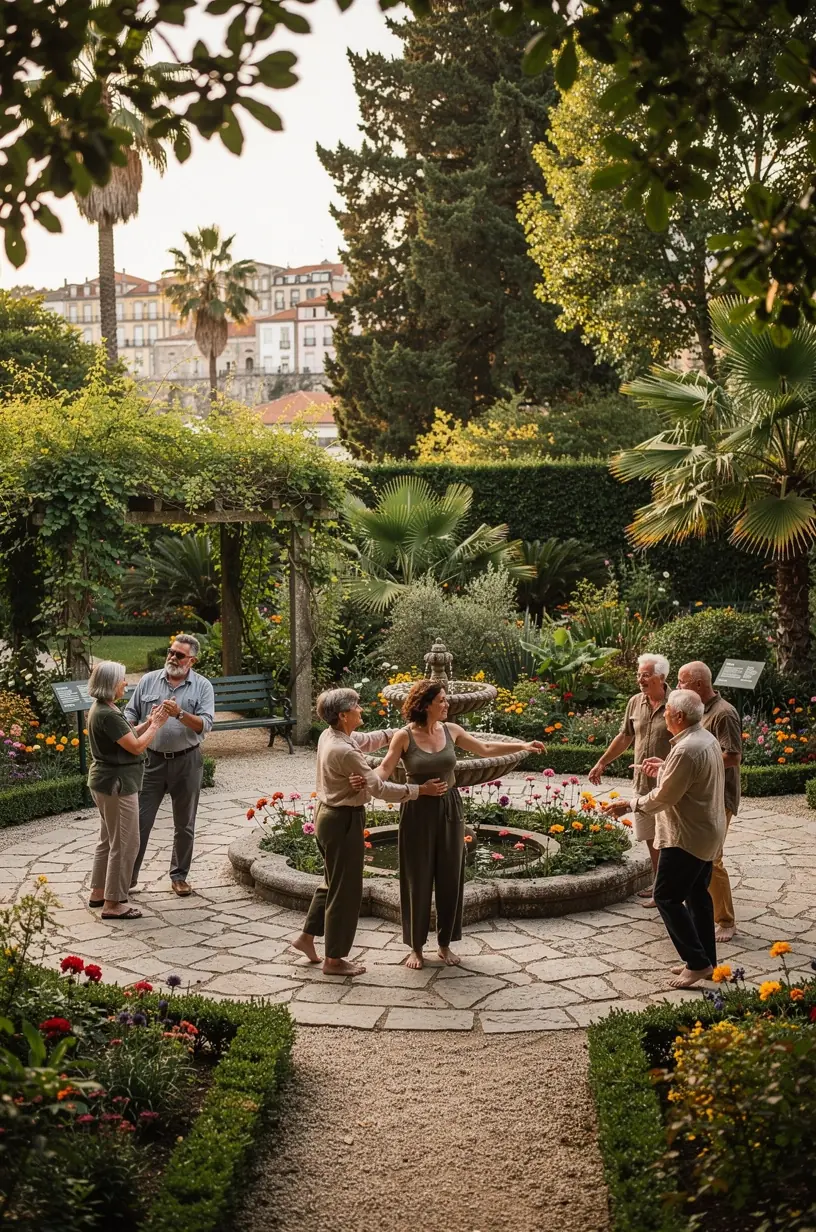
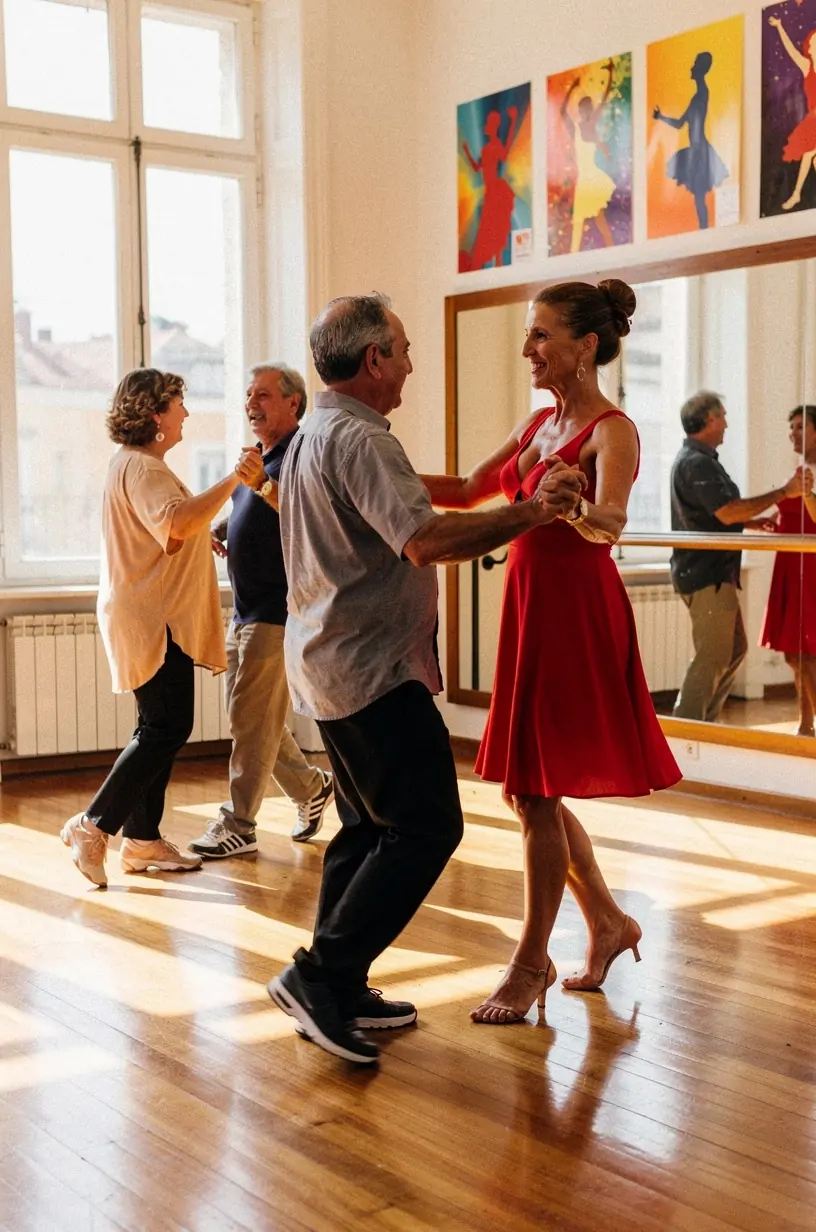
Community dance events serve as a platform for social interaction and personal expression. According to research, engaging in dance can improve mental health and foster a sense of belonging among participants. Experts suggest that these events often promote inclusivity and strengthen community bonds.

"Community engagement through dance events can significantly enhance social ties and improve overall well-being."
Step-by-Step Guide to Organizing Your Event
- Define Your Objectives: Before planning, it’s crucial to establish the purpose of the event. Whether it’s to raise awareness about social issues or to simply bring the community together, having clear objectives helps streamline your planning process.
- Select a Suitable Venue: The venue should accommodate the expected number of participants while providing adequate space for dancing. Research indicates that accessible venues increase participation by 15-20%.
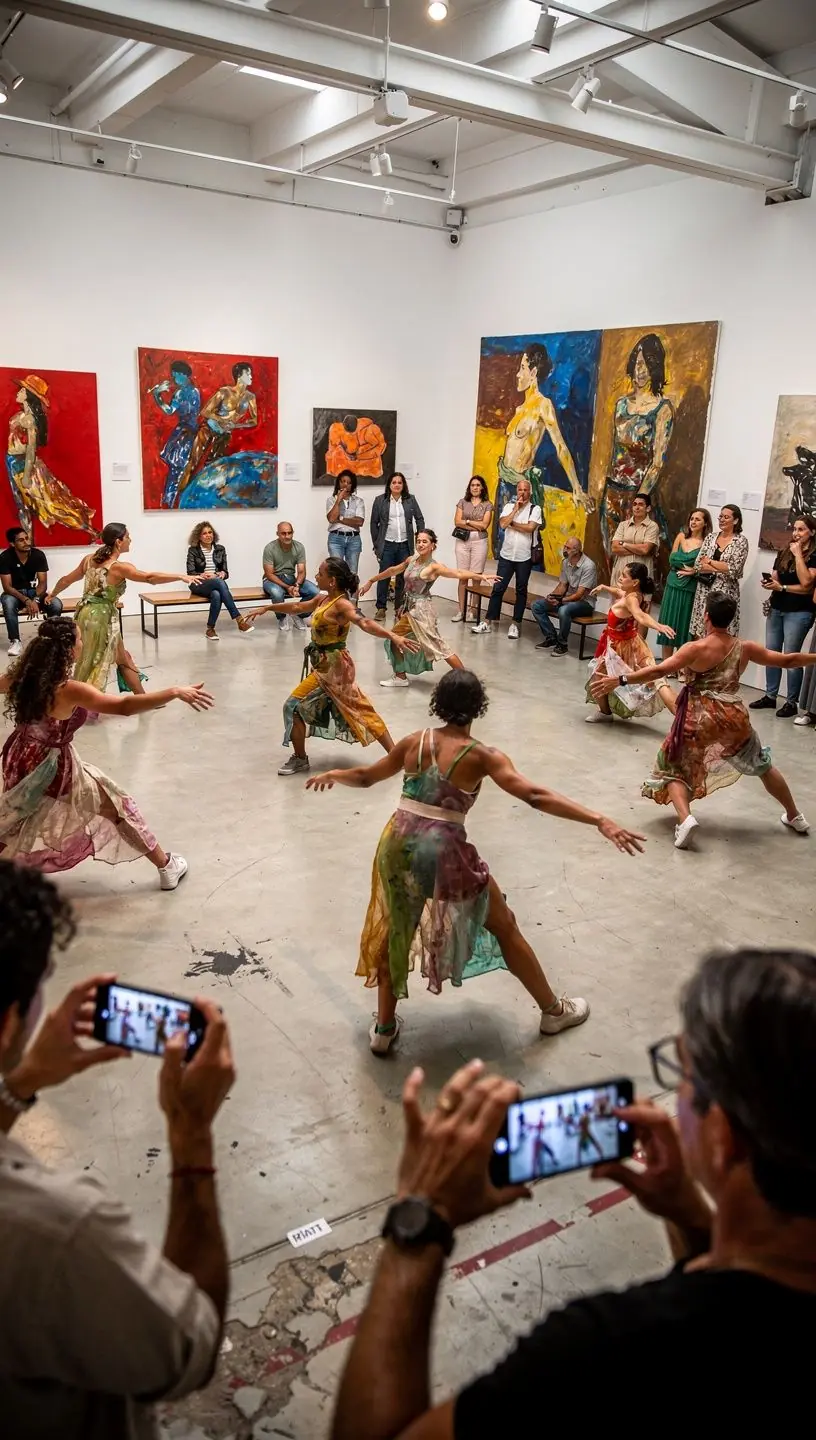
- Engage Local Talent: Collaborating with local dance instructors or performers can enrich the event. Many users report that local talent often resonates well with the community, enhancing the overall experience.
- Promote Your Event: Utilize social media platforms and local community boards to spread the word. Studies show that community-driven promotions tend to reach a wider audience.
- Plan for Inclusivity: Ensure your event is welcoming to individuals of all backgrounds and abilities. This may involve considering special offers for underrepresented groups or providing materials in multiple languages.
- Gather Feedback: After the event, collecting participant feedback can provide valuable insights. This practice helps identify what worked well and what could be improved for future events.
Addressing Potential Challenges
While organizing a dance event can be fulfilling, it comes with its own set of challenges. These may include limited budgets, scheduling conflicts, and varying participant skill levels. It’s important to acknowledge that addressing these challenges typically requires advance planning and flexibility.
Time and Effort Considerations
According to industry standards, organizing a successful dance event typically takes 2-4 months of dedicated effort. This includes time for planning, outreach, and execution. As you coordinate logistics, anticipate the need for ongoing communication with partners and participants.
Realistic Expectations for Participants
Participants should be informed about what to expect during the event. Setting clear expectations can enhance their experience. For example, let them know the types of dances that will be featured and whether prior experience is necessary. This works best when participants feel prepared and included from the outset.
Conclusion
Organizing community dance events requires careful planning, clear communication, and a commitment to inclusivity. By following these practical tips, you can create a successful event that fosters social reintegration and strengthens community connections. Remember that every effort counts, and even small gatherings can have a big impact on community well-being.